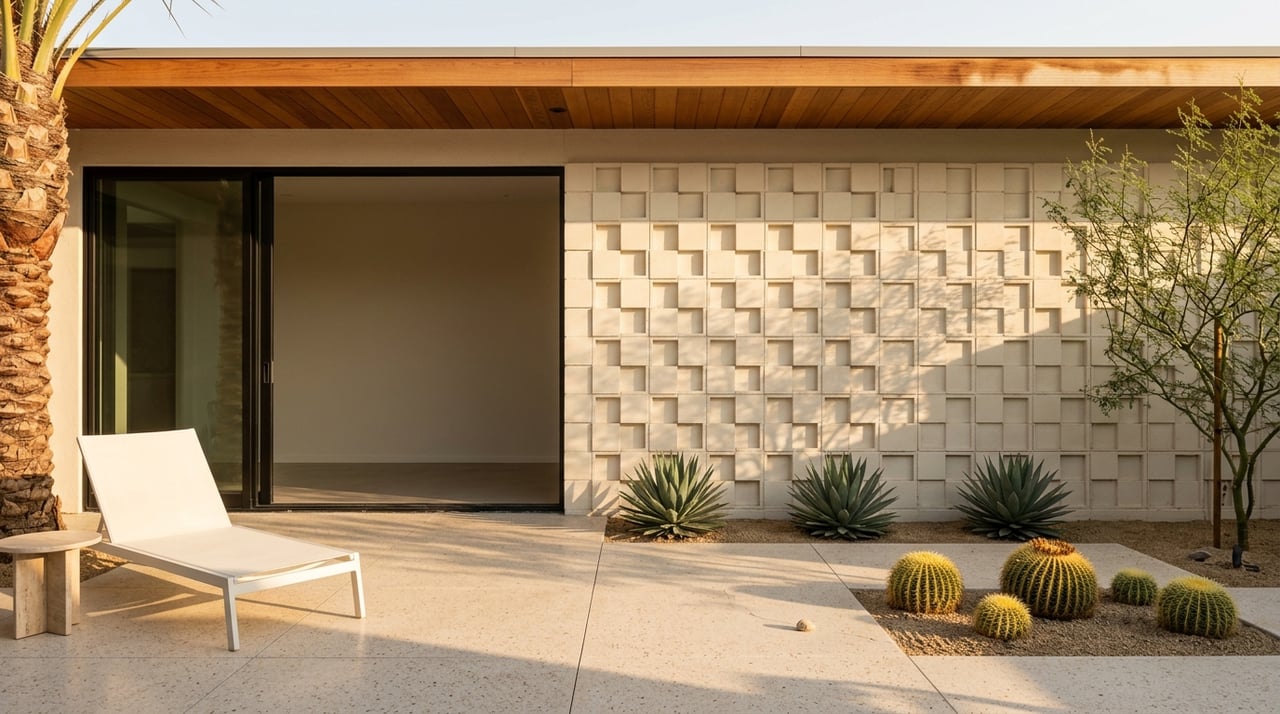
If you own a mid-century home in Palm Springs, you are not selling just another house. You are often selling a piece of the city’s design story, and buyers can feel the difference. The right prep can help you protect that story, avoid costly missteps, and present your home in a way that speaks to both local and out-of-area buyers. Let’s dive in.
Why Palm Springs mid-century homes stand out
Palm Springs has a unique relationship with mid-century modern design. The city notes that Palm Springs is best known for its Mid-Century Modern architecture, and local tourism materials describe the area as a living museum of the style. That identity helps create steady interest from buyers who are drawn to architecture, design history, and the desert lifestyle itself.
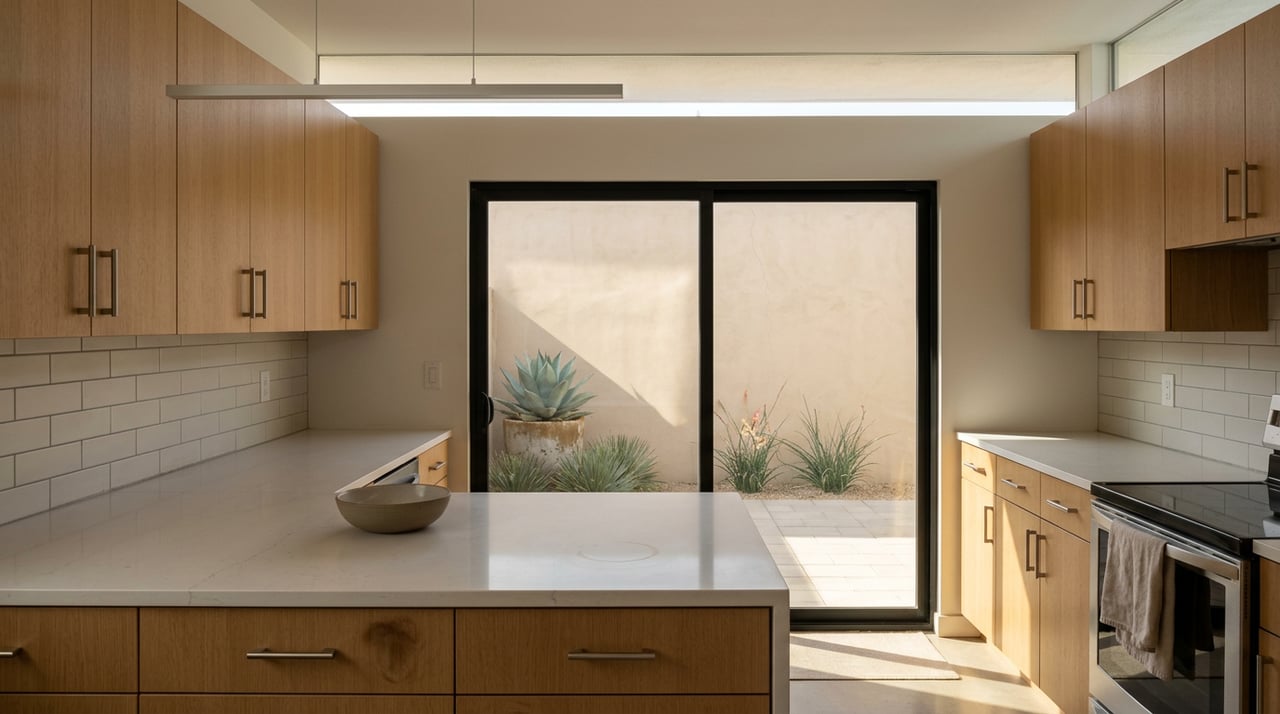
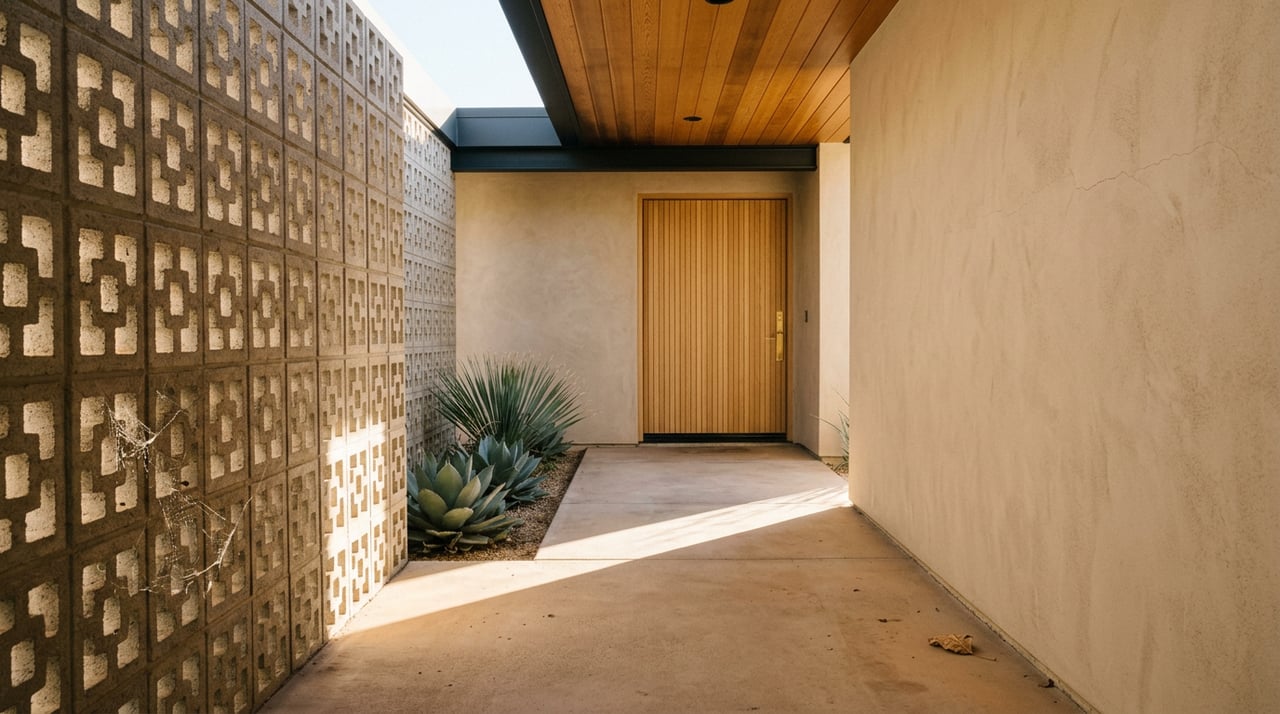
The appeal is not just a vague aesthetic. Palm Springs architecture is often defined by clean lines, open plans, glass walls, clerestory windows, breeze block, geometric forms, and strong indoor-outdoor living. According to Visit Palm Springs’ architecture overview, neighborhoods such as Vista Las Palmas, Twin Palms, Deepwell Estates, Indian Canyons, and Kings Point are especially well known for this design tradition.
For sellers, that means preparation should go beyond basic cosmetic work. Buyers looking at a Palm Springs mid-century home often care about character, provenance, and how well the property reflects the style that made the city famous.
Confirm historic status early
Before you plan updates, repairs, or exterior improvements, confirm how the property is classified. Palm Springs maintains a citywide historic survey and property classification system that identifies Class 1 through Class 4 properties, including designated historic properties, potentially historic properties, and many homes built before January 1, 1978.
This step matters because your timeline and scope of work may depend on the home’s status. If your property is in a designated historic district, exterior changes may require architectural review before a building permit is issued. The city’s historic district technical bulletin explains that major alterations and demolition on Class 1 through Class 4 sites must be reviewed before permits are issued, while many minor alterations can be handled by staff.
The key takeaway is simple: find out where your home stands before you start spending money. That helps you avoid delays and lets you build a realistic listing timeline.
What historic status usually does not mean
Many owners worry that historic status means they must restore every detail back to original condition before selling. In most cases, that is not how the process works.
Palm Springs notes in its historic district FAQ that existing conditions at the time of district designation are generally grandfathered in. The city also says owners usually do not need to change a historic property simply because it is historic, though exterior work and additions should be planned early.
Preserve character before you modernize
When preparing a mid-century home for sale, the best updates usually start with preservation, not reinvention. The National Park Service rehabilitation guidance recommends retaining and preserving character-defining materials and features when possible, repairing rather than replacing deteriorated elements when feasible, and making any new work compatible and unobtrusive.
That approach fits Palm Springs well. The city’s community design policies support high-quality materials appropriate for the desert climate and encourage new work in historic settings to complement the context without imitating it. In other words, buyers tend to respond best when a home feels cared for and functional without losing its original rhythm.
Features worth protecting
For many Palm Springs mid-century homes, the most valuable visual features are the ones that make the architecture instantly recognizable. Depending on the property, that may include:
- Rooflines and overhangs
- Clerestory windows and large glass walls
- Original masonry, wood details, or breeze block
- Built-ins and open-plan layout features
- Patio, pool, and indoor-outdoor connections
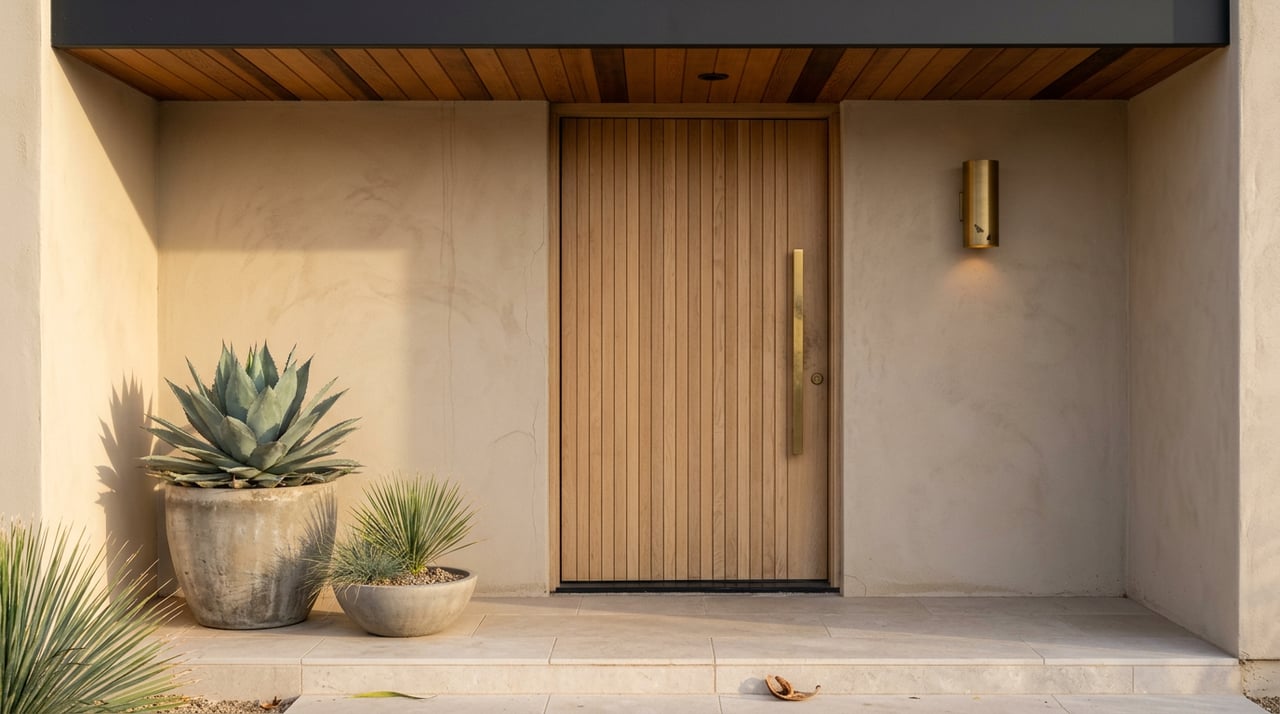
- Landscaping that frames the architecture and views
If these elements are still intact, preserving them can strengthen the home’s presentation. If they need work, repair is often a better first option than replacement when repair is feasible.
Focus updates where buyers feel them most
Not every improvement needs to be visible from the street. In many cases, your smartest pre-sale spending will go toward maintenance, systems, and subtle improvements that support the architecture instead of overpowering it.
That may include deferred maintenance, mechanical updates, careful lighting improvements, or desert-appropriate landscape refreshes. Palm Springs’ community design policies also encourage resource-efficient and climate-appropriate choices, including drought-tolerant landscaping, energy-efficient measures, solar, and materials suited to desert conditions.
Smart selective upgrades
If your home needs modernization before listing, focus on upgrades that help buyers enjoy the property without erasing its identity. Good pre-sale projects often include:
- Repairing worn or deteriorated original-looking features where possible
- Refreshing landscaping with drought-tolerant, desert-appropriate design
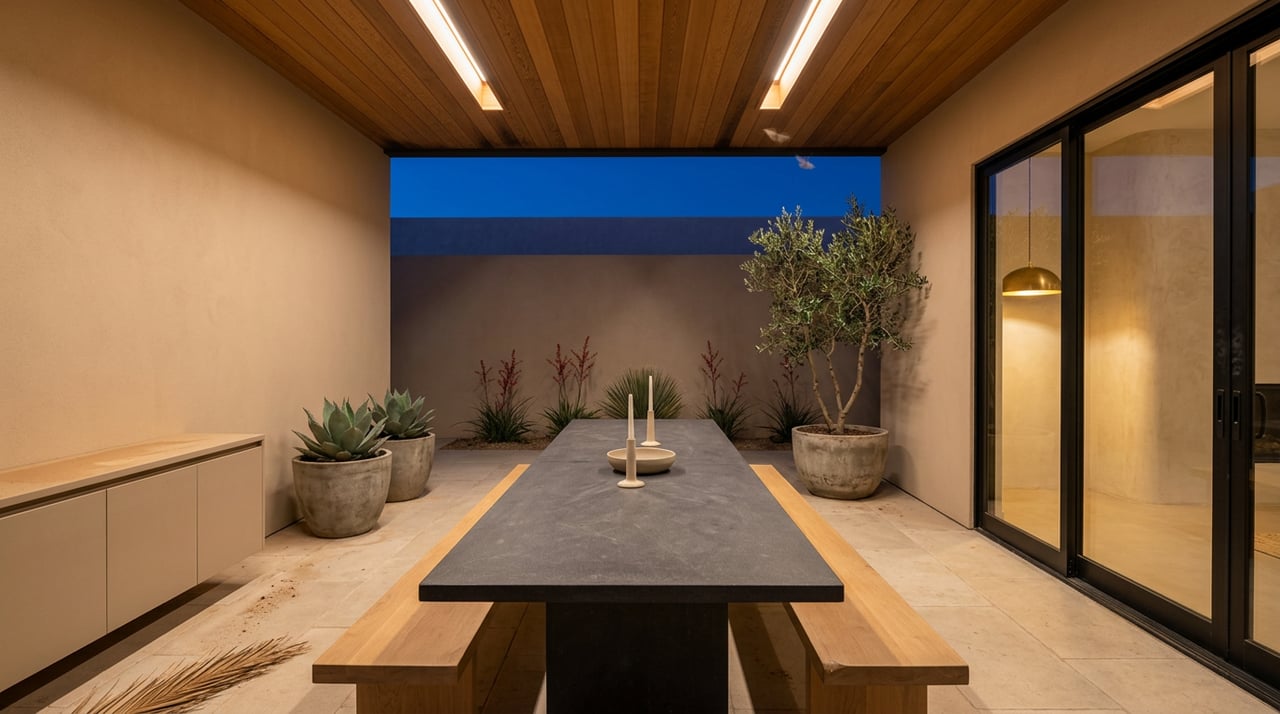
- Improving outdoor entertaining areas to support indoor-outdoor flow
- Updating systems or utilities in a discreet way
- Using materials that feel consistent with the home’s scale and style
This is especially important in Palm Springs, where the lifestyle and architecture are closely connected. Buyers often respond to how effortlessly the home lives, not just how new everything looks.
Stage for openness and flow
Staging can play a major role in how buyers experience a mid-century home. In the National Association of Realtors 2025 home staging snapshot, 83% of buyers’ agents said staging made it easier for buyers to visualize a property as a future home.
For a Palm Springs mid-century property, staging should support the architecture first. That usually means keeping sightlines open, avoiding bulky furniture, and helping the transition from living area to patio or pool feel seamless.
Palm Springs staging priorities
The goal is not to fill every room. It is to help buyers understand space, light, and flow.
A simple architecture-first staging plan may include:
- Keeping window walls visually open
- Choosing scaled furniture that does not block circulation
- Highlighting the living room, primary bedroom, and dining area
- Creating a clear visual link between interior spaces and outdoor areas
- Using a restrained palette that supports the home’s lines and materials
When staging is handled well, buyers notice the home itself before they notice the furniture.
Tell the home’s story clearly
With an architecturally notable home, the listing should do more than mention mid-century style. Buyers in Palm Springs often want to know what makes the property real, documented, and specific.
If known and verified, your listing should highlight the architect or builder, year built, neighborhood context, original materials, and preservation work already completed. This kind of detail aligns with how Palm Springs presents its architectural heritage and with the public interest shown through events like Modernism Week, which celebrates midcentury art, architecture, design, and vintage culture.
Details that strengthen marketing
The strongest listing narrative often includes:
- Documented architect or builder
- Verified year built
- Recognizable neighborhood context
- Notable original features and materials
- Thoughtful preservation or rehabilitation work
- Any historic designation or Mills Act status, if applicable
This information helps buyers understand what they are looking at and why it matters.
Explain Mills Act or historic details upfront
If your home has historic designation or a Mills Act contract, include that information clearly in the marketing and disclosure process. Buyers do not need a vague mention. They need a plain-English explanation of what it may mean for ownership, maintenance, and future changes.
Palm Springs describes the Mills Act as a preservation incentive that may offer potential property tax relief in exchange for a minimum 10-year preservation commitment. The city also notes that only contributing sites may qualify, while non-contributing sites in historic districts are not eligible for that tax reduction incentive.
Handled correctly, this information can help buyers feel informed instead of surprised. It can also reinforce the sense that the home has been cared for with intention.
Build enough time into your sale plan
One of the biggest mistakes sellers make is treating a notable mid-century listing like a standard resale. If you plan exterior work, need permits, or want to verify architectural details before going live, your prep timeline may need extra breathing room.
That does not mean the sale will be difficult. It means a better result often comes from planning ahead, especially if your buyer pool may include second-home shoppers, remote buyers, or architecture-minded purchasers who will care about detail.
A thoughtful sale plan can include status verification, selective improvements, staging, photography, and stronger listing copy that presents the home to the right audience from day one.
Work with a strategy that fits the property
A standout mid-century home in Palm Springs deserves more than a generic checklist. It needs a sale strategy that respects the architecture, keeps the process organized, and speaks to the buyers most likely to value what makes the property special.
That is where local guidance can make a real difference, especially if you are selling from out of town or want help coordinating prep work. If you are thinking about selling, Darcey Deetz can help you evaluate what to preserve, what to update, and how to position your home for a strong, well-told launch.
FAQs
Do Palm Springs mid-century homeowners have to restore everything to original condition before selling?
- No. Based on guidance from Palm Springs and the National Park Service, the usual goal is to preserve and repair character-defining features where feasible and make new work compatible, not to force a full return to original condition.
Can historic status delay the sale of a Palm Springs home?
- Usually not by itself, but planned exterior changes, demolition, or major alterations can trigger review and add time, so it is smart to confirm status early and build that into your timeline.
Is staging worth it for a Palm Springs mid-century modern home?
- Often yes. NAR’s 2025 staging data found that 83% of buyers’ agents said staging made it easier for buyers to visualize the property as a future home.
What should a Palm Springs mid-century listing highlight for buyers?
- If documented, the listing should clearly note the architect or builder, year built, neighborhood, original materials, preservation work, and any historic or Mills Act status.
How can Palm Springs sellers update a mid-century home without hurting its appeal?
- Focus first on preserving defining features, then make selective upgrades to maintenance items, systems, landscaping, and indoor-outdoor living areas in a way that supports the home’s original design.