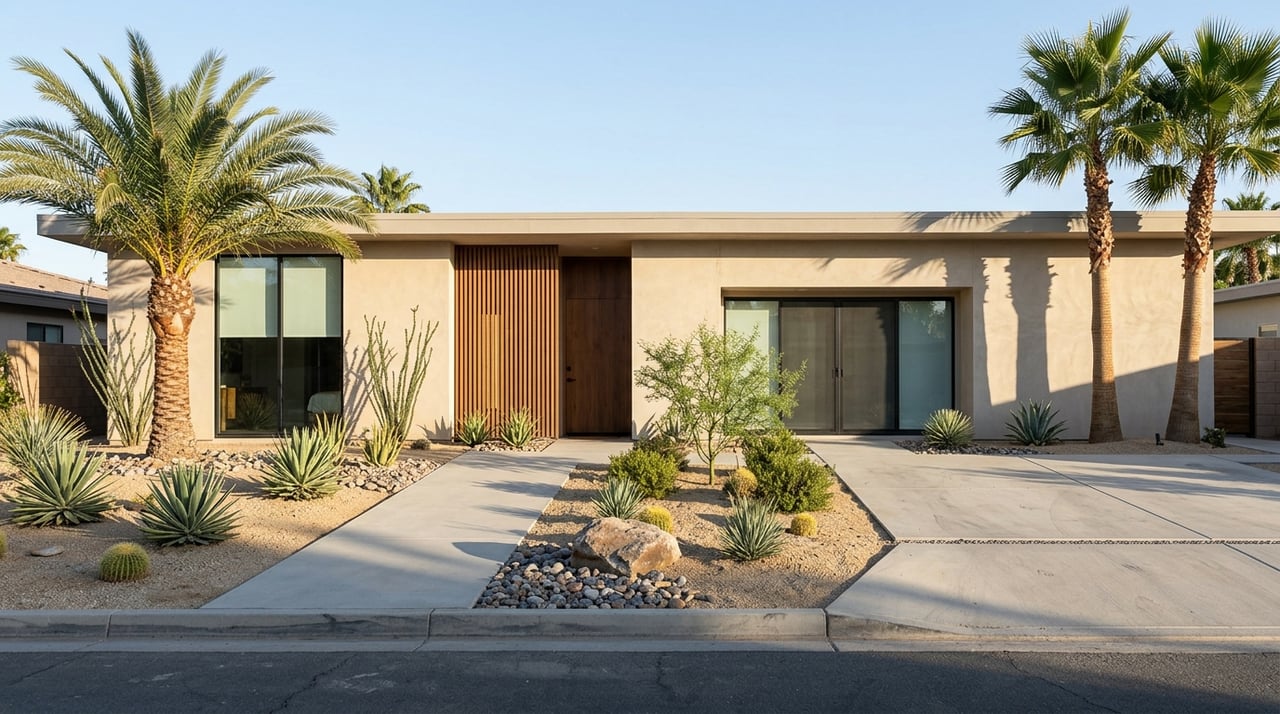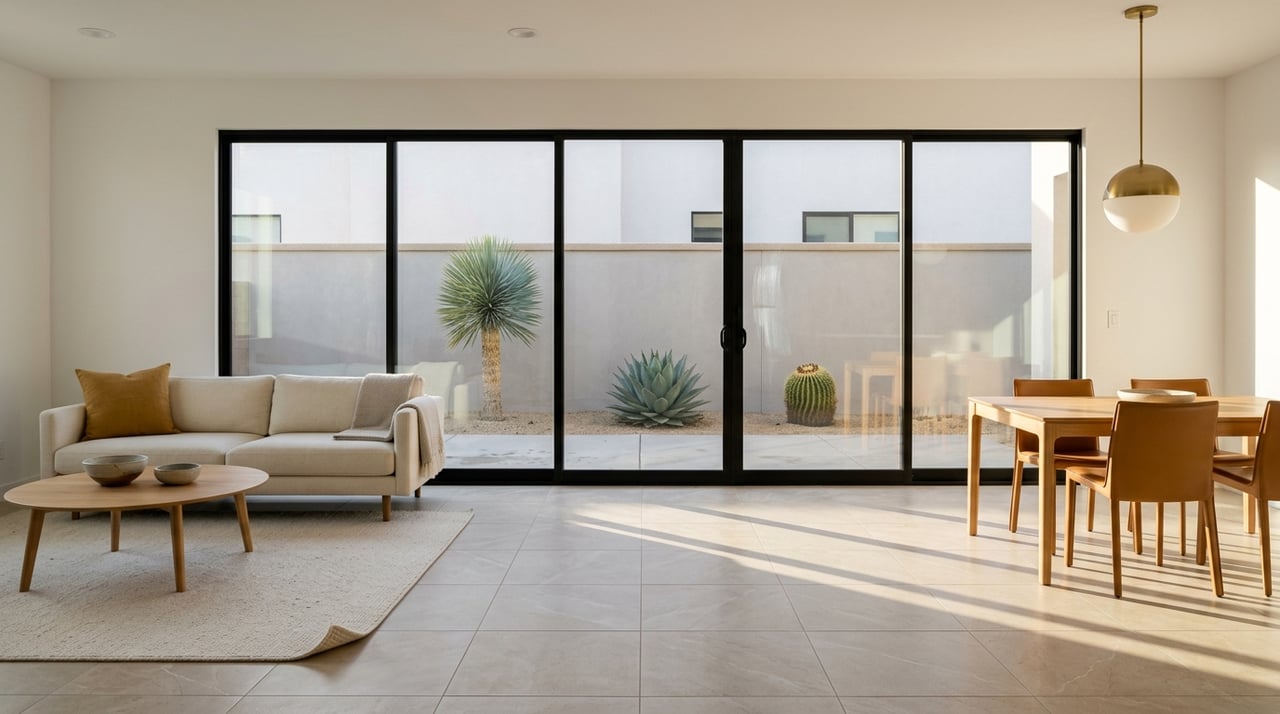
Selling a home from out of town can feel like trying to manage a construction project, a legal file, and a marketing launch all at once. If you own a property in Desert Hot Springs but live somewhere else, you are likely wondering how to keep the sale moving without losing control of repairs, disclosures, access, or closing details. The good news is that a remote sale can run smoothly when you prepare early and put the right local process in place. Let’s dive in.
Why remote selling in Desert Hot Springs needs a plan
Desert Hot Springs is largely a detached-home market, but it also includes condos, multifamily properties, and mobile homes. A local profile published in 2024 shows the housing stock is 63.4% single-family detached, 27.5% multifamily, and 7.5% mobile homes. That matters because your prep list can look very different depending on whether you are selling a house, a condo, or an older property with extra disclosure needs.
The market also calls for realistic timing. Recent data places Desert Hot Springs in the high-$300,000s, with Zillow showing a typical home value of $377,730 as of March 31, 2026, and homes going pending in about 67 days. Redfin reported a median sale price of $390,766 for the three months ending May 2026, with homes selling in about 80 days and averaging 2 offers.
For you as a remote seller, that means two things. First, pricing and presentation still matter because homes are not flying off the shelf overnight. Second, a steady, organized launch often matters more than rushing a listing live before the home and paperwork are ready.
Start with a local point person
If you are not in Desert Hot Springs, you need someone local who can physically access the property and keep the listing on track. The California Department of Real Estate says sellers and agents both take part in required disclosures, and the agent must complete a visual inspection and disclose readily observable defects. In practical terms, a remote sale works best when a local professional can walk the home, coordinate vendors, and document the property condition early.
This is where process matters more than promises. You want a listing team that can handle access, schedule service providers, follow up on repairs, and keep your file organized through escrow. That support can save you from repeated trips back to California just to unlock a door, approve a repair, or chase paperwork.
Get the home camera-ready before you list
For remote sellers, the temptation is often to list first and clean up later. That usually creates more stress and weaker first impressions. Marketing works best when the property is fully ready for photos, video, and showings before the listing goes live.
Research from the 2025 Profile of Home Staging found that 83% of buyers’ agents said staging made it easier for buyers to visualize a property as a future home. The same research also noted that photos, videos, and virtual tours rank among the most important marketing tools. Since cameras tend to magnify clutter, grime, and awkward layouts, even small issues can stand out online.
A smart pre-listing checklist often includes:
- Deep cleaning
- Decluttering
- Light repairs
- Yard or exterior touch-ups
- Simple staging or furniture adjustment
- A final walkthrough before photography
If the property has been vacant, rented, or inherited, this step becomes even more important. A local team can oversee these details so your listing hits the market looking intentional, not unfinished.
Review age and condition early
Desert Hot Springs has a meaningful share of older housing stock, with 21.3% built before 1970 according to the local profile. That makes it important to verify the year built as soon as you begin preparing to sell. Older homes may have more maintenance history to document and may trigger additional disclosure steps.
One key issue is lead-based paint. Federal rules apply to most housing built before 1978, and sellers must disclose known lead-based-paint information and provide the required pamphlet. If your home is older, it is best to flag that before photography or showings begin so your disclosure package is complete from the start.
Older homes can also raise practical questions about past repairs, upgrades, additions, and permits. If you are selling from out of area, gathering that history early can help avoid delays once a buyer starts asking questions.
Build your disclosure package before marketing
One of the biggest mistakes remote sellers make is treating disclosures as a later task. In California, the Transfer Disclosure Statement, or TDS, is a core seller document that describes the property’s condition. The California Department of Real Estate says it must be provided to a prospective buyer as soon as practicable and before transfer of title.
Timing matters here. If the disclosure is delivered after the buyer has already signed an offer, the buyer may have a limited right to terminate. For that reason, it is usually smarter to assemble your disclosure package before the listing is fully launched rather than scrambling after interest comes in.
Your prep file may include:
- The Transfer Disclosure Statement
- Information about known defects or repairs
- Permit records you have available
- Utility or system details
- Lead-related disclosures for older homes
- HOA documents, if applicable
- Natural hazard information
A remote seller often benefits from treating this like a document collection project, not a last-minute form-signing exercise.
Watch for newer California disclosure rules
Two newer California disclosure rules are especially worth noting for single-family residential property. If you obtained title within the previous 18 months, AB 968 requires disclosure of certain contractor-performed room additions, structural modifications, alterations, or repairs when the contracts totaled $500 or more. This includes contractor names and copies of permits, and it applies on or after July 1, 2024.
Another update involves natural hazard disclosures. AB 1280 revised the Natural Hazard Disclosure Statement so the seller must indicate whether the property is in a high fire hazard severity zone and whether it is in a state responsibility area or local responsibility area.
For you, the practical takeaway is simple. Gather permits, invoices, contractor information, and your current hazard report as early as possible. Remote sales move more smoothly when these records are ready before the first serious buyer appears.
Expect extra paperwork for HOA properties
Because Desert Hot Springs includes condos and other common-interest properties, some remote sellers need to plan for HOA paperwork too. These sales usually require more documentation than a typical detached-home sale. Waiting on association documents can slow down a transaction if you do not request them early.
If your property is in an HOA, you may need items such as:
- HOA dues history
- CC&Rs
- Rules and regulations
- Budget or reserve information
- Transfer documents required by the association
If you live out of town, ask your listing team to identify these requirements early. That gives you more time to request, review, and deliver the documents without holding up escrow.
Understand tax and escrow items before closing
Remote sellers are often surprised by how many closing questions relate to taxes and ownership records. In California, a sale usually triggers a change-in-ownership review, which can lead to reassessment. The State Board of Equalization explains that county assessors use ownership-change forms to support that process, and a transfer can result in supplemental tax bills in addition to the annual bill.
That does not mean you need to manage the assessor process yourself, but it does explain why escrow and buyers may request tax-related paperwork. It is part of a normal California closing file.
If you are an out-of-area or nonresident owner, you also need to ask escrow about California real estate withholding. The Franchise Tax Board says this withholding is a prepayment of income tax on the sale of California real property. Some sellers may qualify for a full or partial exemption, so it is important to confirm your status early instead of being caught off guard near closing.
Protect yourself during a remote closing
A remote closing can be convenient, but it also creates more opportunity for fraud. The California Department of Real Estate warns that scammers may impersonate legitimate real estate professionals, especially when wire transfers are involved. The safest approach is to verify any wiring instructions by phone using a known number, not just by email.
Be especially careful if you receive:
- Last-minute changes to wiring instructions
- Requests for urgent advance payment
- Messages asking you to send funds to a new account
- Emails that seem slightly off or inconsistent
When you are selling from another city or state, a calm verification process can protect your proceeds. Never assume an email is legitimate just because it looks polished.
What to look for in a Desert Hot Springs listing team
A remote seller usually needs more than someone to put a home in the MLS. You need a local team that can manage the physical side of the sale while keeping you informed and in control. In California, agents are responsible for visual-inspection-based disclosures and other material facts, so local oversight is not just a convenience. It is part of a well-run transaction.
Look for a team that can help with:
- Property access and walkthroughs
- Repair and contractor coordination
- Permit and disclosure tracking
- Photo prep and marketing launch
- Transaction coordination through escrow
- Clear communication when you are out of area
Team structure can make a real difference here. The Darcey Deetz Team includes Darcey Deetz, licensed agent and transaction coordinator Jessicca Brueggeman, and marketing director John Lehman. That kind of structure supports the hands-on coordination, organized paperwork, and strong presentation that remote sellers often need most.
It is also smart to review the listing agreement carefully before signing. California’s 2025 DRE law update says exclusive listing agreements for single-family residential property may not last longer than 24 months, and renewals may not exceed 12 months. Ask how long the agreement runs and what the process looks like from pre-listing through closing.
A smoother remote sale starts earlier than you think
The best remote sale strategy is not about doing everything from afar by yourself. It is about building a local system that handles repairs, access, disclosures, marketing, and escrow in the right order. In Desert Hot Springs, where property types vary and older homes can bring added disclosure needs, early planning helps you avoid delays and keeps your sale moving.
If you want to sell without repeated trips back to the desert, focus on the steps that matter most: local oversight, photo-ready presentation, complete disclosures, and careful closing coordination. That is how you stay informed, protect your timeline, and hand off the heavy lifting without giving up control.
If you are getting ready to list a Desert Hot Springs home from out of town, Darcey Deetz can help you coordinate prep, marketing, and closing with a local, full-service approach.
FAQs
What makes selling a Desert Hot Springs home remotely different?
- Remote sellers usually need extra help with property access, repair coordination, disclosures, photography prep, and closing logistics because they are not local to handle those tasks in person.
What disclosures matter most when listing a Desert Hot Springs home?
- The Transfer Disclosure Statement is a core document, and depending on the property, you may also need lead-related disclosures for older homes, natural hazard information, repair or permit records, and HOA documents.
What should owners of older Desert Hot Springs homes check first?
- Start by confirming the year built, reviewing known repairs or upgrades, and checking whether the home may be subject to lead-based-paint disclosure rules if it was built before 1978.
What HOA documents are often needed for a Desert Hot Springs condo or HOA home sale?
- Sellers should expect to gather items such as HOA dues history, CC&Rs, rules, budget or reserve information, and any transfer paperwork required by the association.
What should remote sellers ask escrow about when closing on a California property?
- Ask escrow to confirm whether California real estate withholding applies to your sale and whether any exemption or reduced withholding status may apply.
How can remote sellers reduce wire fraud risk during closing?
- Confirm wiring instructions by phone using a trusted number you already have, and treat any last-minute payment change or unusual money request as suspicious.