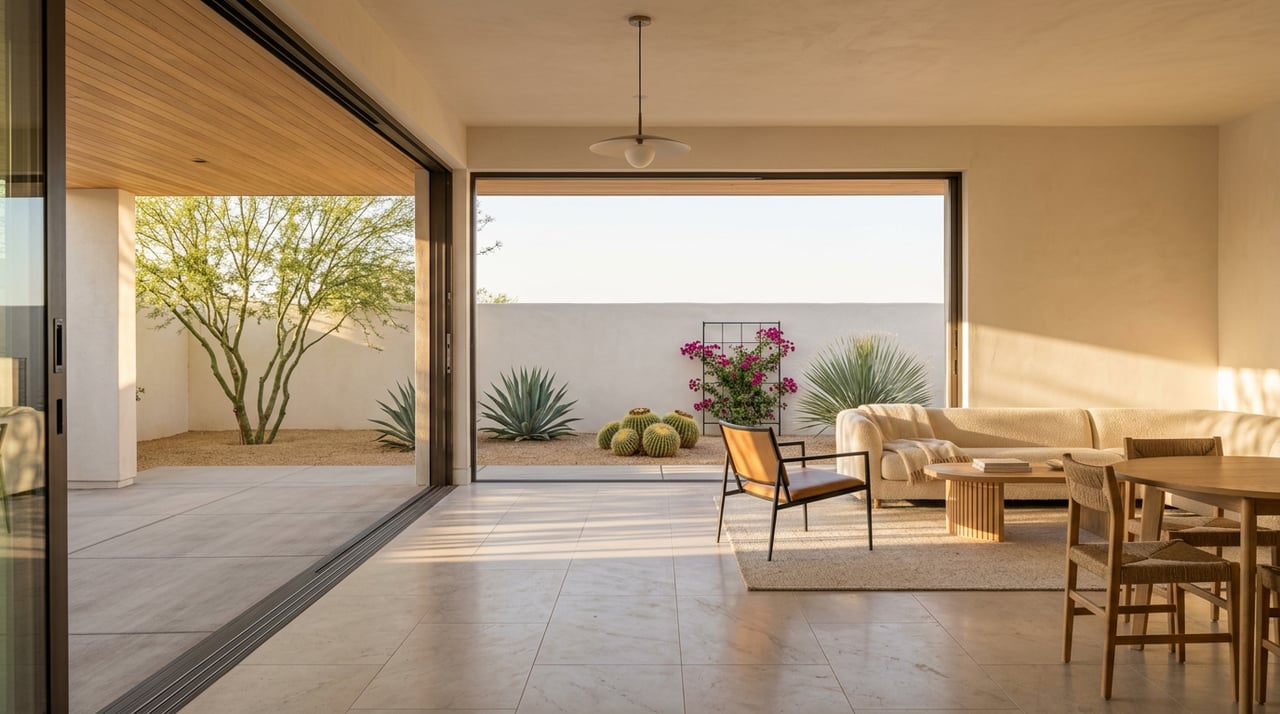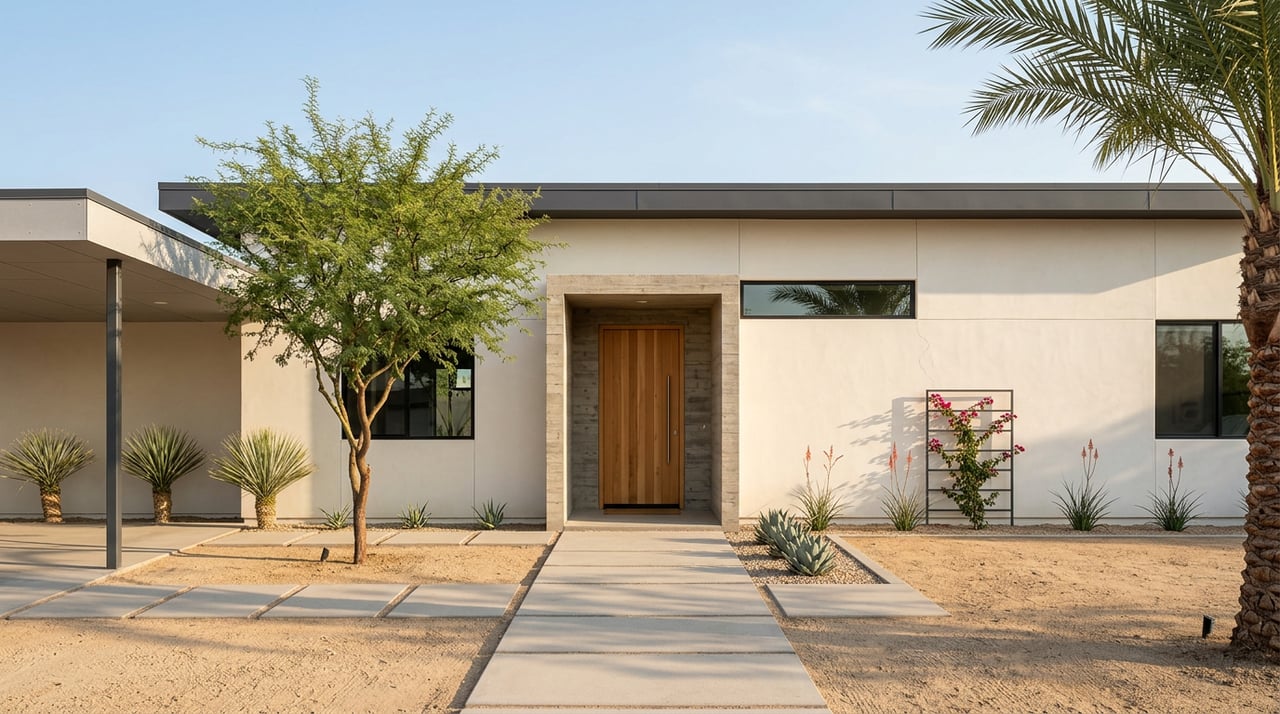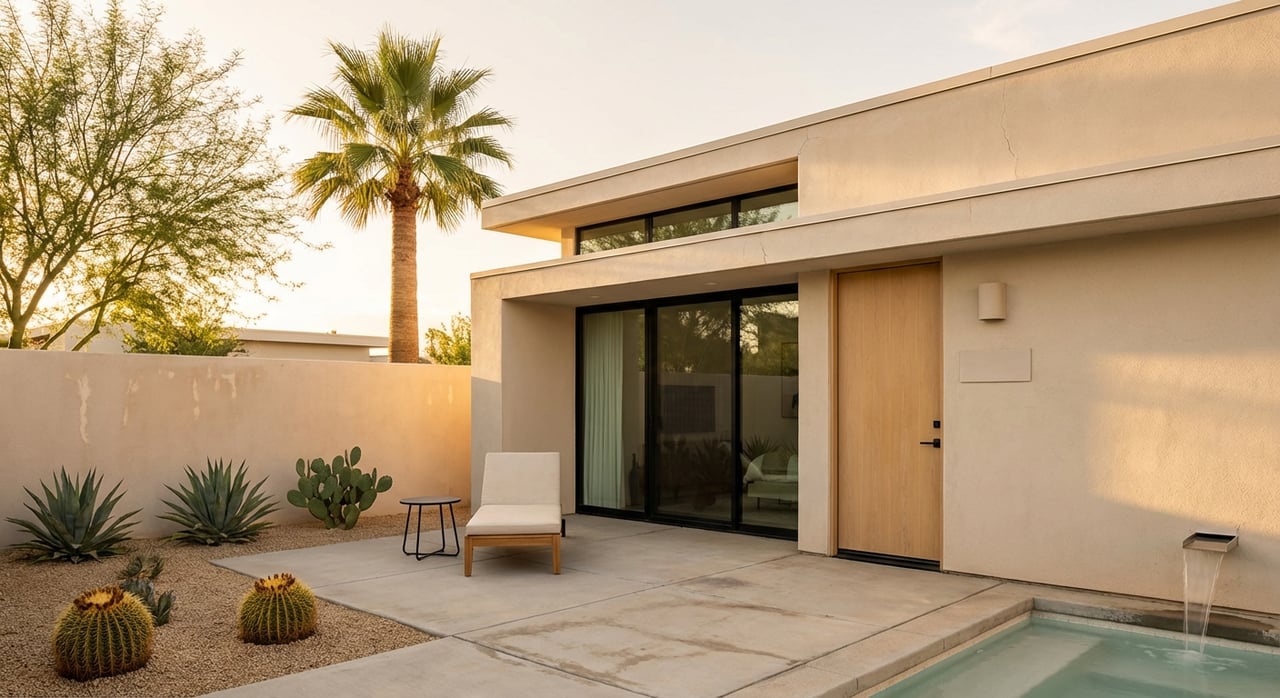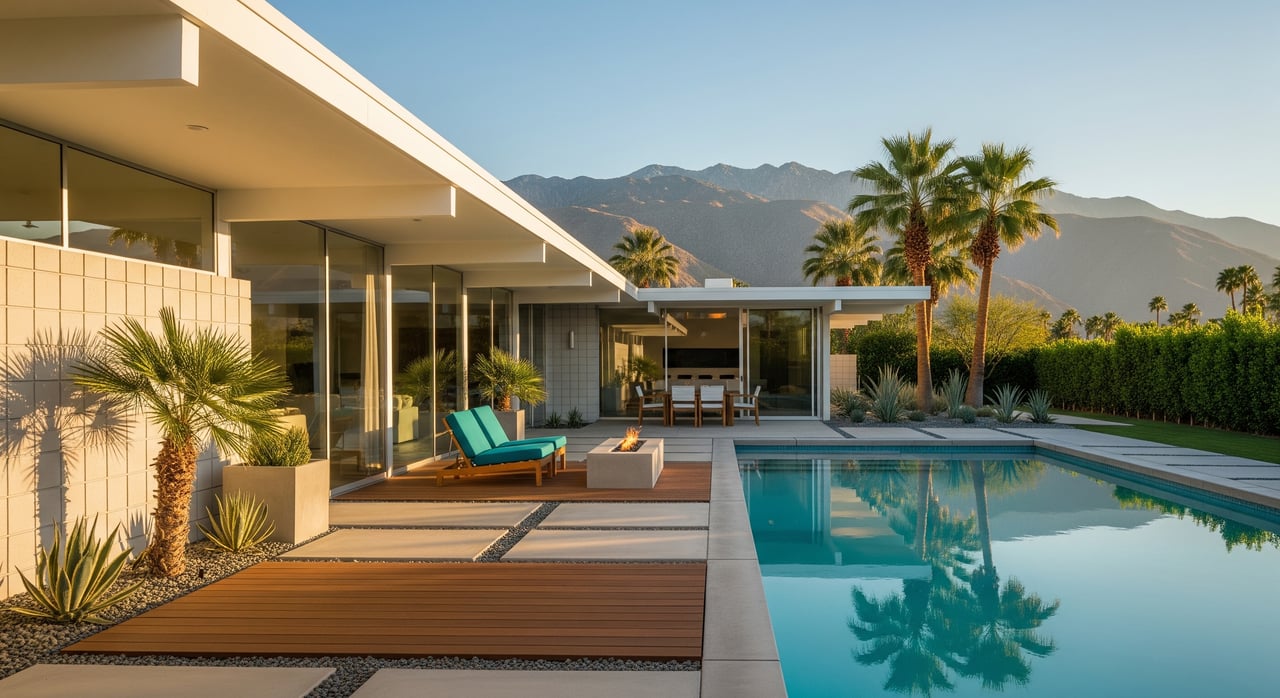
Dreaming of winter mornings by the pool while the mountains glow pink and the rest of the country bundles up? If Palm Springs has been calling your name, you are not alone. Owning a second home here blends sun, style, and a laid-back resort rhythm. In this guide, you will learn what daily life feels like, the costs many owners do not expect, and the rules to understand before you buy. Let’s dive in.
Palm Springs lifestyle and seasons
Palm Springs lives on a simple rhythm: vibrant in fall through spring, quieter in the heat of summer. From roughly November to April, you get mild, sunny days that are perfect for pool time, hiking, golf, and patio dinners. Many second-home owners plan their longer stays in these months.
Summer looks different. Temperatures often climb well over 100°F, and the city slows down. Some owners head home for July and August while others lean into early mornings, shaded outdoor spaces, and indoor time in the afternoon. Your HVAC will work harder in summer, and you will want a plan for energy use and equipment upkeep.
Culture is part of the draw. Modernism Week, the Palm Springs International Film Festival, and art moments like Desert X bring design fans and film lovers each year. The Palm Springs Art Museum, the Uptown Design District, and downtown’s restaurants and boutiques add to the appeal. When events stack up, demand for rentals spikes, which matters if you plan to rent part-time.
Home styles and neighborhoods
Palm Springs wears its architecture proudly. You will find mid-century icons, contemporary showpieces, and easy-living condos across town. Your lifestyle and budget will guide where you land.
Design-forward standouts
If you are drawn to classic lines and indoor-outdoor flow, mid-century homes are a natural fit. Many of these properties feature original details, clerestory windows, and pool-centric layouts. Authenticity, architect history, and sensitive updates can command premiums. Restoring or maintaining period details often requires specialized contractors.
Condos and resort living
Condos and townhomes offer a practical entry point with shared amenities. HOA dues vary by community and features like pools, landscaping, and security. For part-time owners, a lock-and-leave setup and professional grounds care can be a major benefit.
Neighborhood snapshots
Every area has a different feel. Tour in person to see what fits your routines and preferences.
- Old Las Palmas: close to downtown with notable homes and palm-lined streets.
- Movie Colony and Movie Colony East: historic character and vintage appeal near cultural sites.
- Twin Palms and Racquet Club Estates: classic mid-century tracts with pool-focused layouts.
- South Palm Springs and the southwest: larger lots and some newer construction farther from downtown.
- Cathedral City and select pockets of South Palm Springs: more residential and often budget friendly.
- Nearby golf and resort enclaves in the valley, like Rancho Mirage or Palm Desert, offer country-club amenities (not all are inside Palm Springs city limits).
What it really costs
Owning a desert home comes with familiar expenses and a few that are unique. Plan your budget in layers so surprises stay small.
Purchase and taxes
- California property tax assessments reset to the purchase price at closing under Prop 13 rules. Annual increases for existing owners are capped by law, but there are no special second-home exemptions.
- Some neighborhoods carry additional assessments or Mello-Roos community taxes. Always check the parcel’s tax roll.
- If you are moving within California, Proposition 19 may affect certain base year value transfers for eligible owners. Consult a tax advisor.
Carrying costs
- HOA dues: vary widely by community and amenities.
- Utilities: expect higher electricity use in hot months for cooling, plus water for pools and irrigation.
- Insurance: homeowners insurance is required if you finance. Premiums can be influenced by wildfire risk and home age. Earthquake insurance is separate and optional.
- Maintenance: pool service, regular A/C servicing or replacement, exterior paint and materials that face strong sun, irrigation and landscape work, and pest control. For mid-century homes, set aside funds for period-appropriate repairs and materials.
- Furnishings and styling if you plan to rent: quality outdoor furniture, linens, and mid-century appropriate pieces can help you meet guest expectations in a design-focused market.
Short-term rentals basics
Short-term rentals are common but regulated. Plan ahead if renting is part of your strategy.
- The City of Palm Springs requires registration or permits for short-term rentals, payment of transient occupancy taxes, and compliance with operating rules like occupancy, parking, and noise.
- HOA rules can be stricter than city policy. Some communities prohibit or limit short-term rentals. Review CC&Rs before you make an offer.
- Revenue is seasonal. Events like Modernism Week, the film festival, and valley music festivals often drive higher occupancy and rates.
- Management matters. Full-service short-term rental management fees commonly range from 20 to 35 percent, plus cleaning and restocking.
- Invest in guest-ready amenities if you want to be competitive: reliable A/V, pool safety features, outdoor shade and seating, and durable furnishings.
Avoid building your purchase plan on projected rental income alone. Treat rental revenue as a bonus, and verify the latest city rules before you commit.
Desert maintenance reality
The desert is beautiful and requires steady care. Think prevention and schedule.
- Pools: year-round chemical balancing, equipment checks, and regular cleaning are standard.
- HVAC: seasonal service is essential. During summer, systems run hard. Budget for replacement cycles.
- Sun and dust: fabrics, paint, and outdoor materials take more UV exposure. Expect to refresh cushions and finishes more often.
- Pests and critters: work with a local pest service to limit rodents and insects common in the desert.
- Landscaping: drought tolerance and xeriscaping reduce water use and maintenance. Irrigation checks prevent leaks and protect hardscape.
Build a team of local vendors early so you can enjoy the home without scrambling for service calls.
Safety and insurance
A desert setting comes with specific considerations. You can plan for them.
- Wildfire risk: hillside and urban-wildland edges may carry elevated hazard. Check fire-hazard designations and plan defensible space where required.
- Flooding and drainage: localized flash flooding can occur in washes and low areas. Verify any floodplain status for the parcel.
- Seismic risk: older homes may benefit from seismic upgrades. Earthquake insurance is separate from homeowners coverage in California.
- Water use: regional drought management and watering rules are common. Many owners choose drought-tolerant landscapes to reduce use and upkeep.
Get insurance quotes early, especially if you are considering an older home or hillside location. Premiums and availability have trended upward in parts of California, so timing matters.
Year-round use strategies
You can enjoy Palm Springs all year if you plan for the season.
- Winter: schedule longer stays and outdoor entertaining. This is peak patio season.
- Shoulder months: take advantage of early mornings and evenings, when temperatures are pleasant.
- Summer: use shade structures, misters, and indoor cooling in the afternoon. Many owners visit for events or rent to guests drawn to the area’s festivals.
- If you leave the home vacant in summer, set HVAC to safe levels, maintain pool service, and use smart monitors for leaks, temperature, and security.
Due diligence checklist
Use this simple list to move from browsing to confident ownership.
- Confirm current short-term rental permits, registration, and tax requirements with the City of Palm Springs. Verify any HOA restrictions in the CC&Rs.
- Order a local home inspection with a focus on HVAC capacity, pool equipment, roof, electrical panel, plumbing in older homes, and desert-specific pests.
- Get homeowners and optional earthquake insurance quotes early. Check wildfire hazard zones for the address.
- Budget for seasonal utility swings, pool and landscape care, and periodic exterior refreshes due to sun.
- If mid-century design matters to you, set aside a restoration fund and work with contractors who understand modernist materials and details.
- Plan security and vacancy procedures if you will be away for long stretches. Smart monitors and scheduled vendor visits help.
Work with a local team
A second home should feel simple and rewarding. When you work with a team that knows the neighborhoods, architecture, and the realities of absentee ownership, you save time and avoid missteps. The Darcey Deetz Team specializes in Palm Springs resort properties and second homes across the Coachella Valley. You get clear guidance on neighborhoods and HOA rules, careful contract management, and hands-on support that keeps your purchase moving.
For sellers or buyers planning updates, the team provides renovation oversight, contractor coordination, and staging and marketing services. For architecturally notable homes, they also deliver narrative-driven marketing that reaches the right audience. The result is a smoother process and smarter decisions, whether you are buying your first desert escape or curating a design-forward property.
Ready to explore Palm Springs ownership with a trusted local guide? Reach out to Darcey Deetz to start a plan that fits your goals.
FAQs
What are Palm Springs seasons like for second-home owners?
- Peak season runs roughly November to April with mild, sunny weather, while summer is much hotter and quieter, so many owners plan longer winter stays and lighter summer use.
How much should I budget each year to own a Palm Springs second home?
- Plan for property taxes and any assessments, HOA dues if applicable, higher summer electricity and water for pools and irrigation, homeowners insurance plus optional earthquake coverage, and ongoing maintenance like pool service, A/C, exterior refreshes, landscaping, and pest control.
Can I rent my Palm Springs second home short-term legally?
- The city requires registration or permits, transient occupancy tax payments, and compliance with rules on occupancy, parking, and noise, and your HOA may be stricter or prohibit rentals entirely, so confirm both city policy and CC&Rs before you buy.
Which Palm Springs neighborhoods are popular with mid-century design fans?
- Twin Palms, Racquet Club Estates, the Movie Colony areas, and Old Las Palmas are known for historic and mid-century homes, though you should tour to see which vibe and location fit your needs.
What maintenance is unique to desert homes in Palm Springs?
- Expect year-round pool care, seasonal HVAC servicing, more frequent refreshes of sun-exposed finishes, dust management, proactive pest control, and irrigation checks for drought-tolerant landscaping.
Do I need special insurance for a Palm Springs vacation home?
- Homeowners insurance is required if you finance, earthquake insurance is separate and optional, wildfire risk can affect premiums, and it is smart to get quotes early and verify any hazard designations for the property.