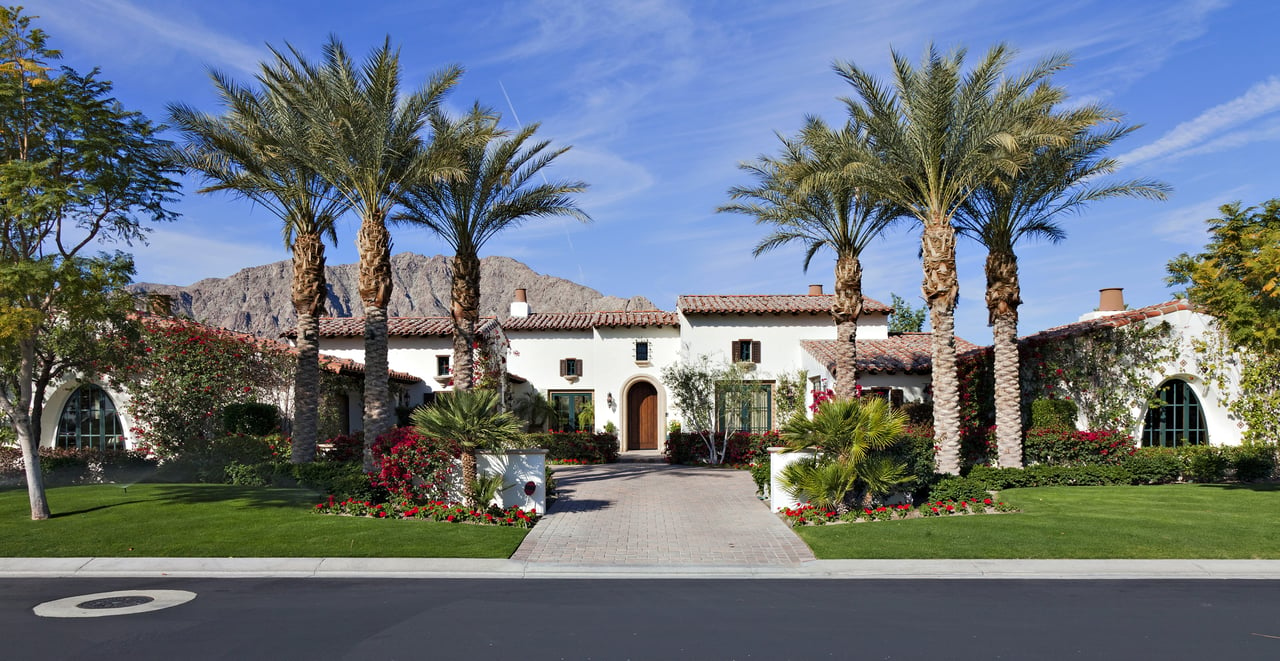
Palm Springs is more than a celebrated resort destination. It is a collection of distinctive neighborhoods shaped by modernist architecture, mountain views, desert light, and an easy connection between indoor and outdoor living. The city offers everything from historic estates and architect-designed homes to golf communities, condominiums, and low-maintenance seasonal residences.
Choosing the right home here means looking beyond a listing. Sun exposure, wind patterns, land ownership, neighborhood character, proximity to downtown, and the way a property will be used can all influence the decision. Darcey helps buyers understand those differences so they can choose a home—and a part of Palm Springs—that fits the life they are building next.
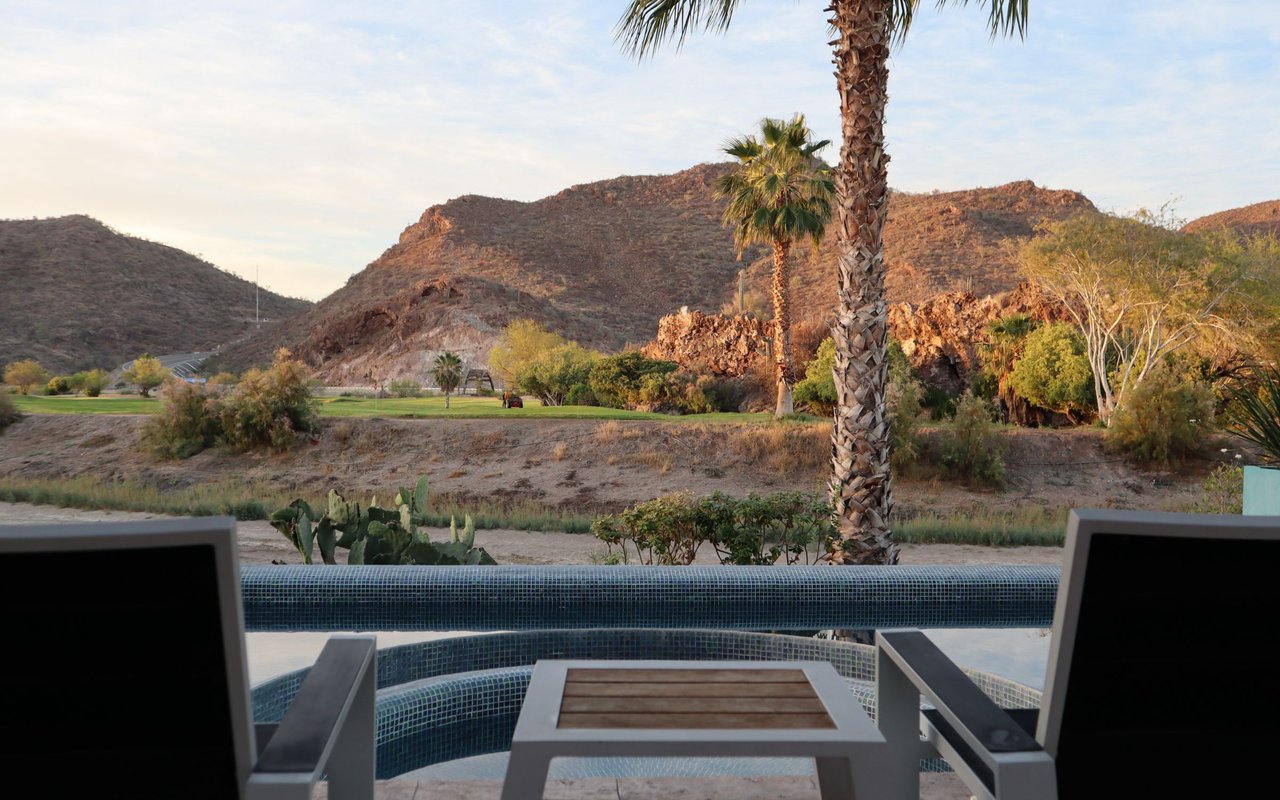
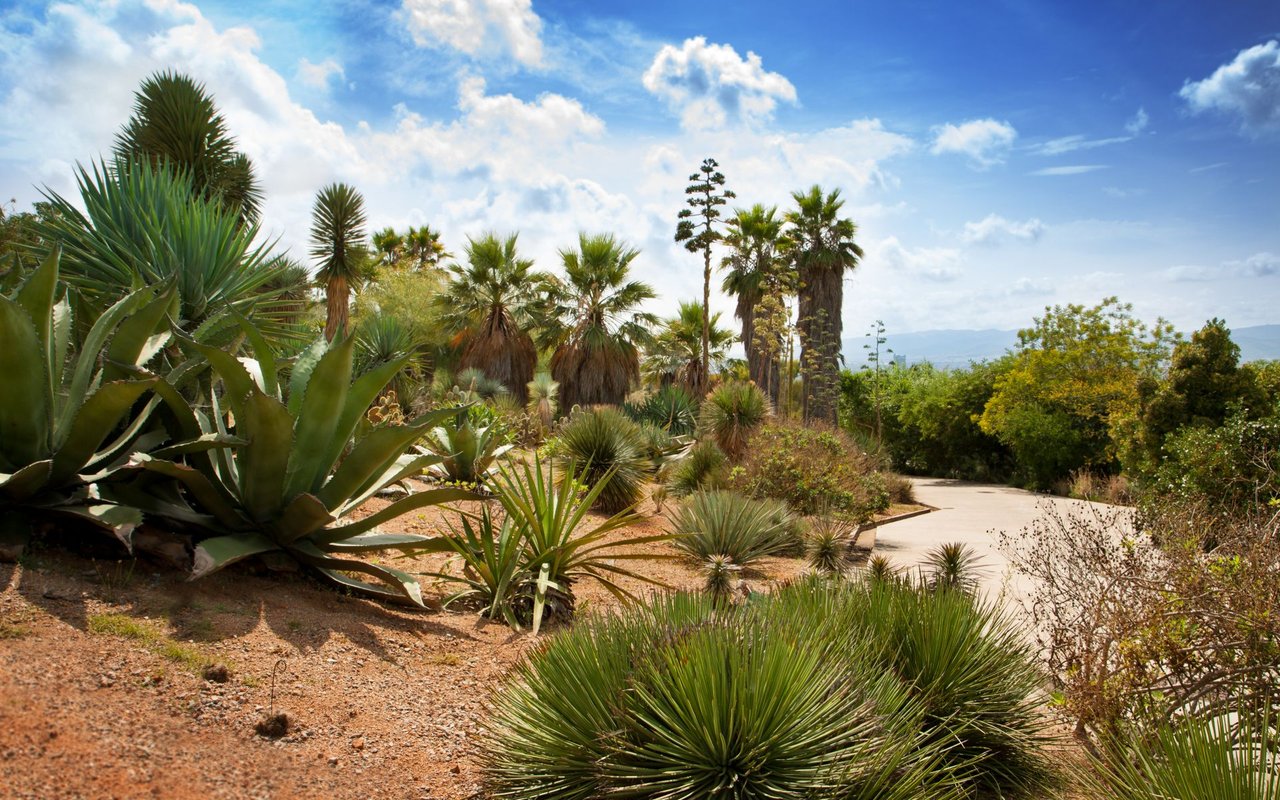
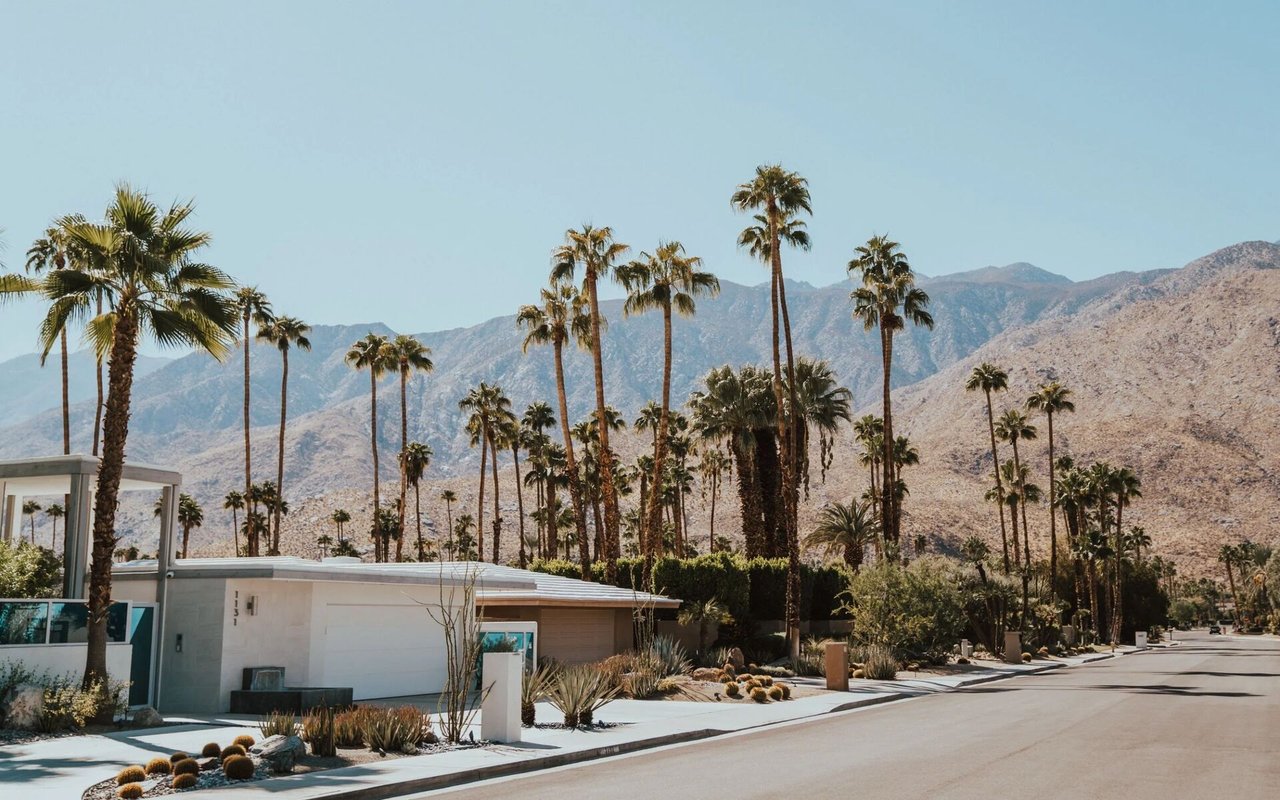
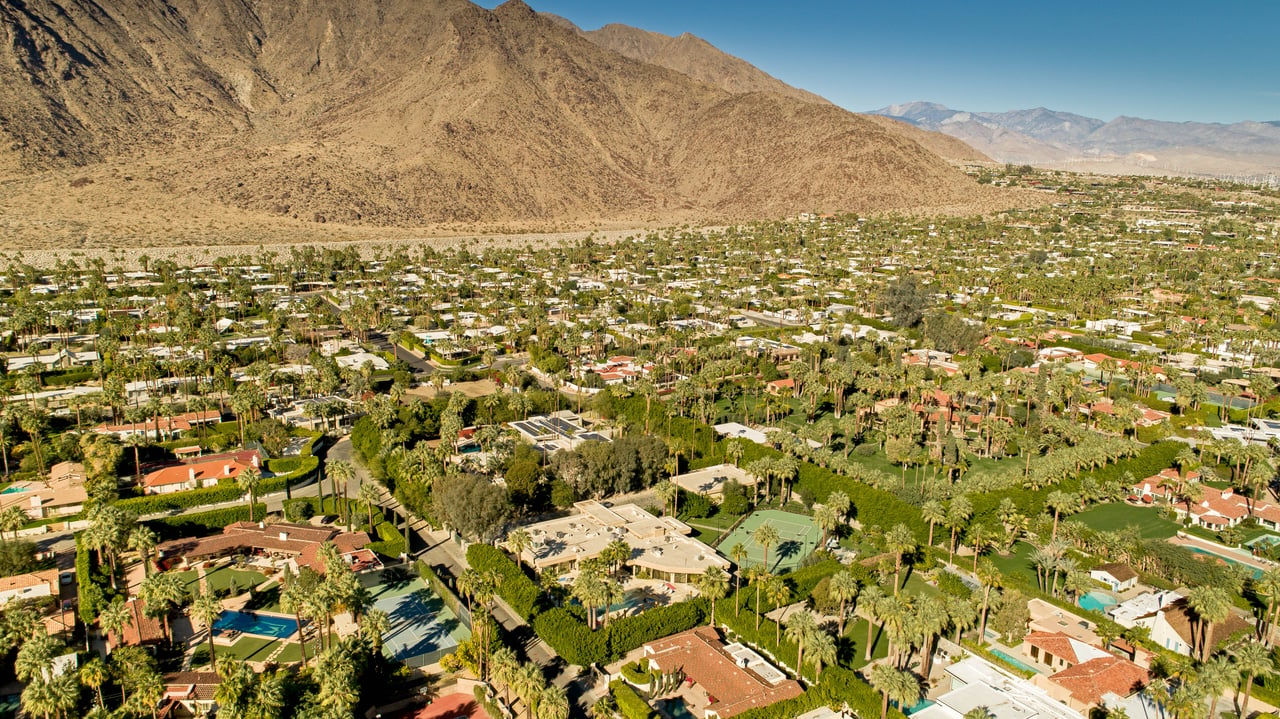
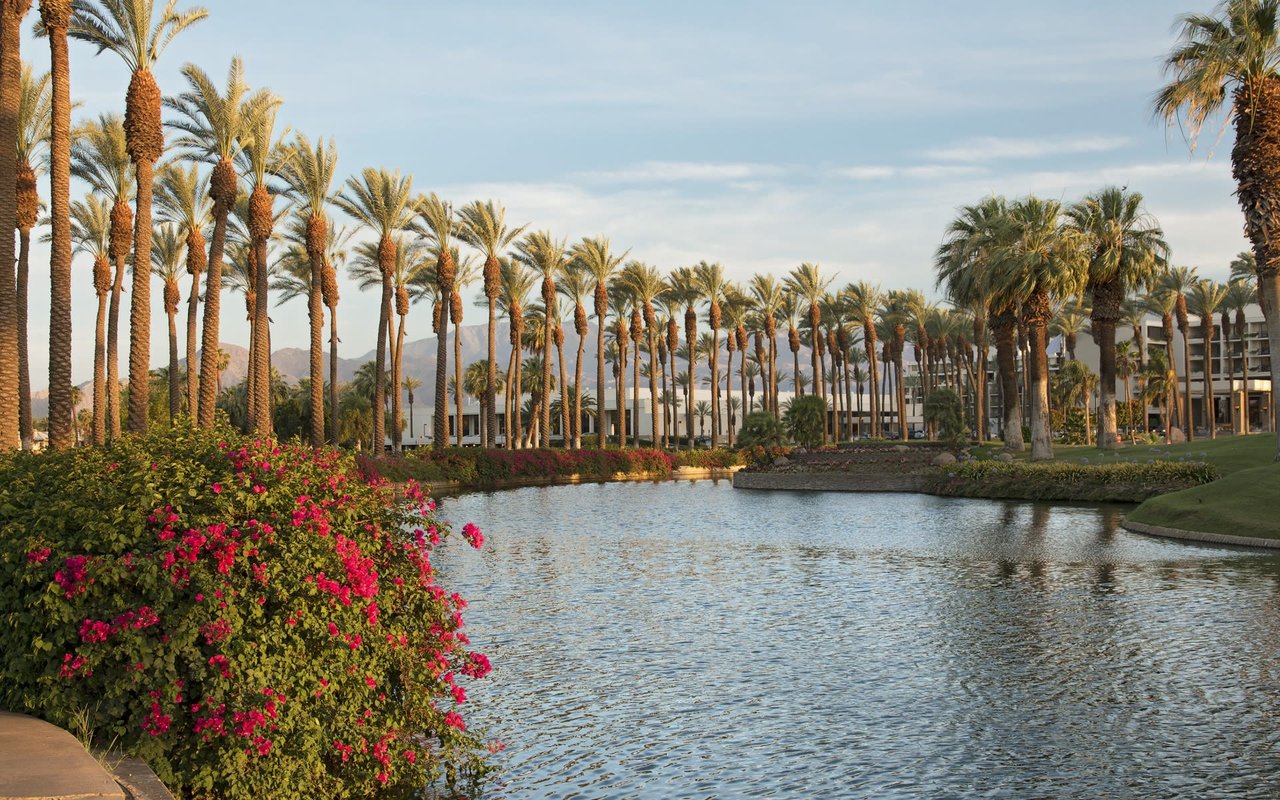
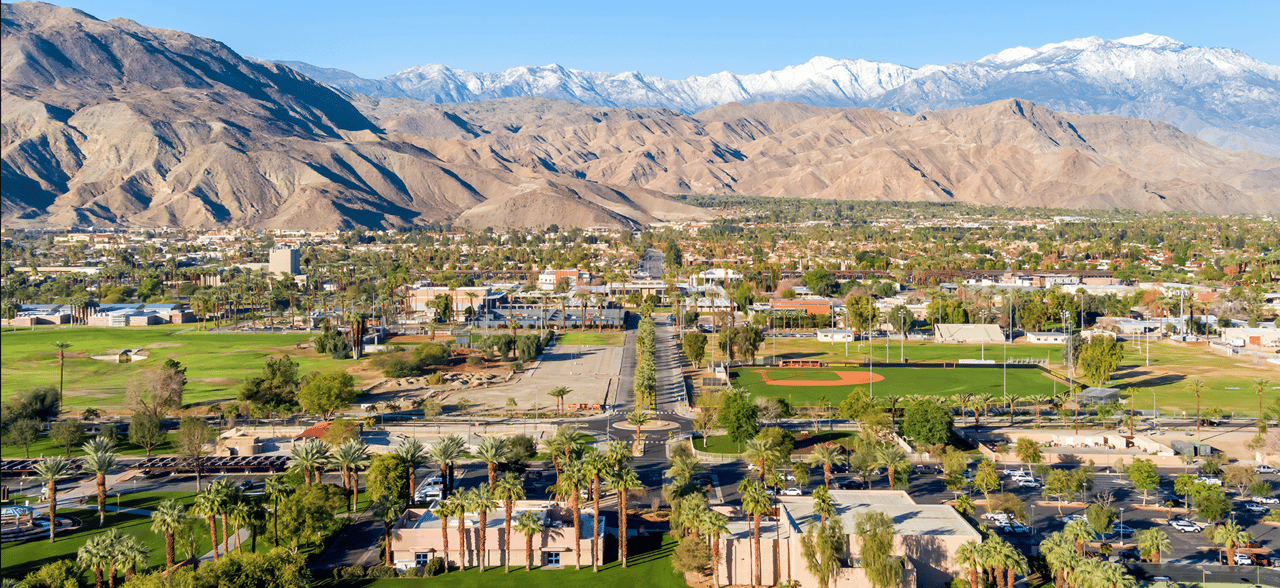
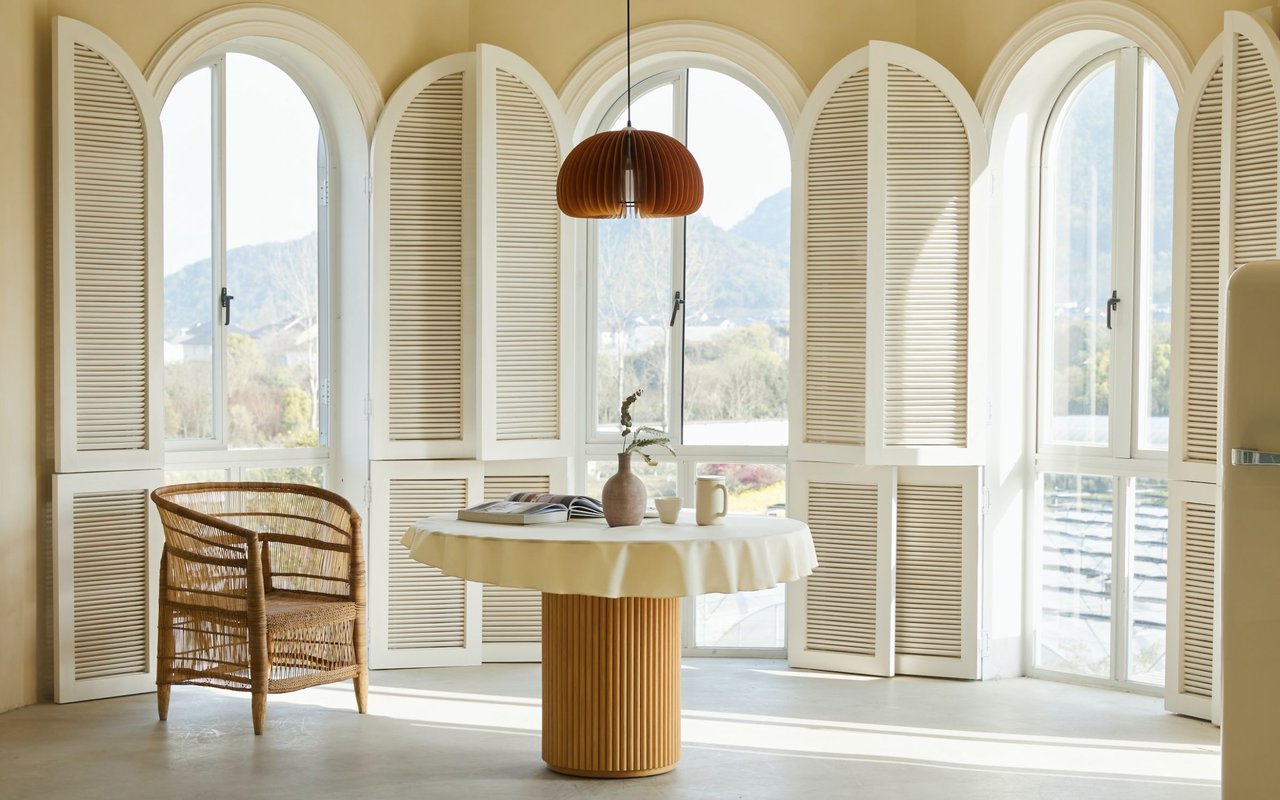
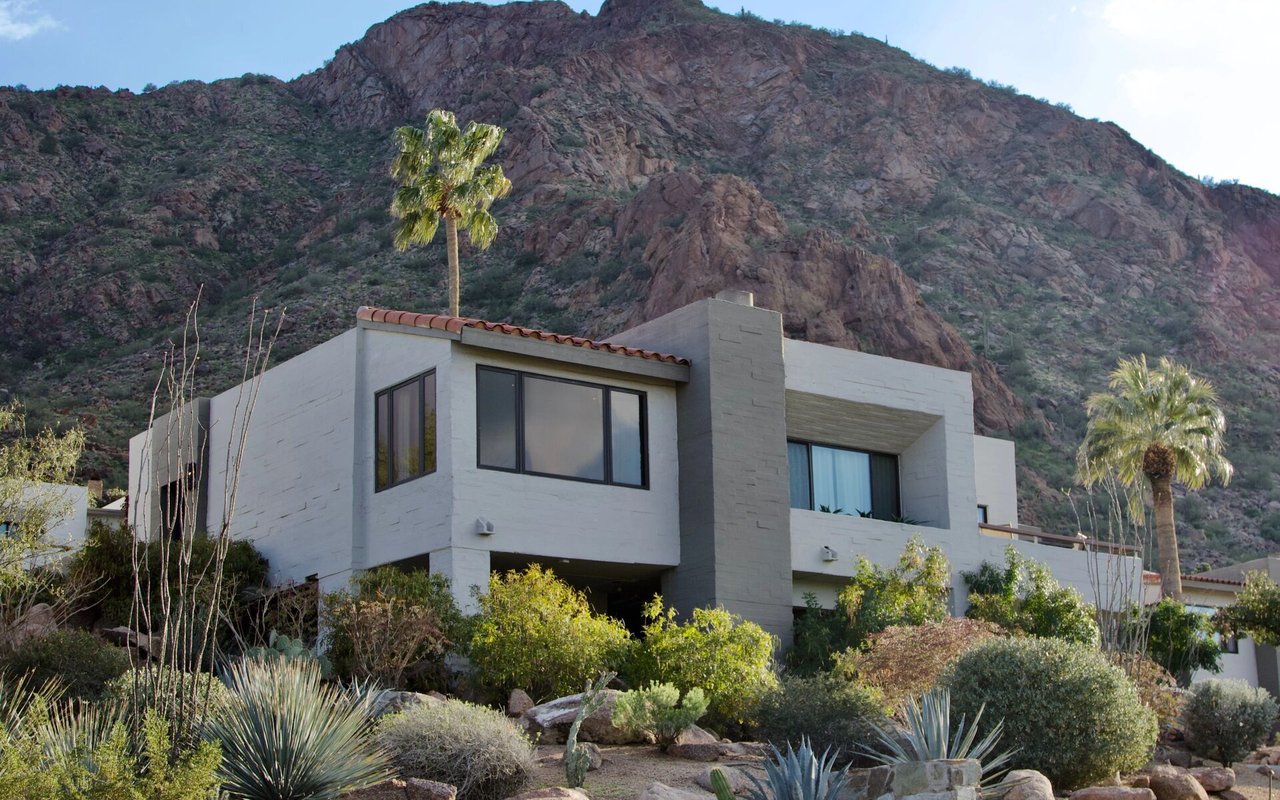
Palm Springs has a rare ability to feel both restorative and creatively alive. The San Jacinto Mountains form a dramatic western backdrop, while clear desert light brings the city’s architecture, gardens, and streetscapes into sharp focus. Many homes are designed around pools, patios, glass walls, and shaded outdoor rooms, making indoor-outdoor living part of the everyday experience.
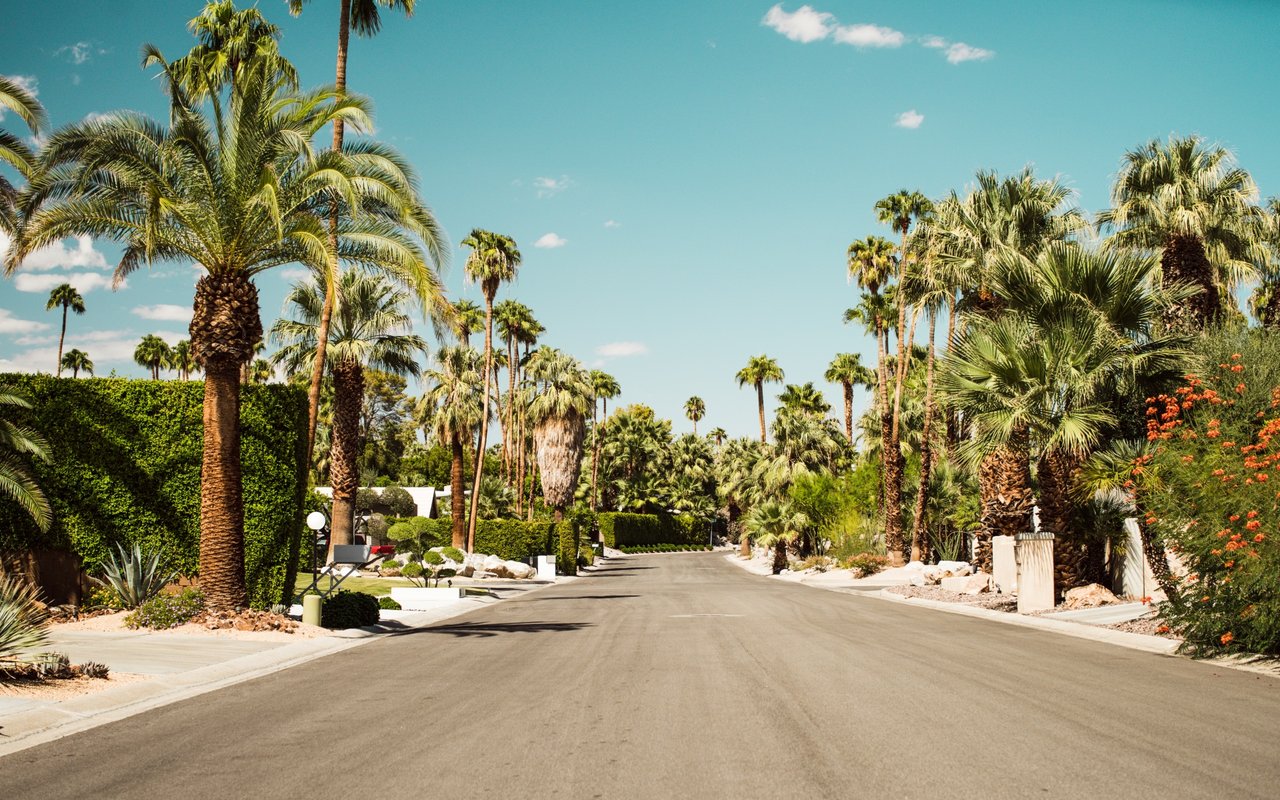
Downtown and the Uptown Design District bring restaurants, galleries, independent shops, cultural institutions, and community events into a compact corridor. Minutes away, residential streets can feel private and quiet, with styles that span Spanish and Mediterranean estates, postwar ranch homes, iconic midcentury designs, and contemporary desert architecture.
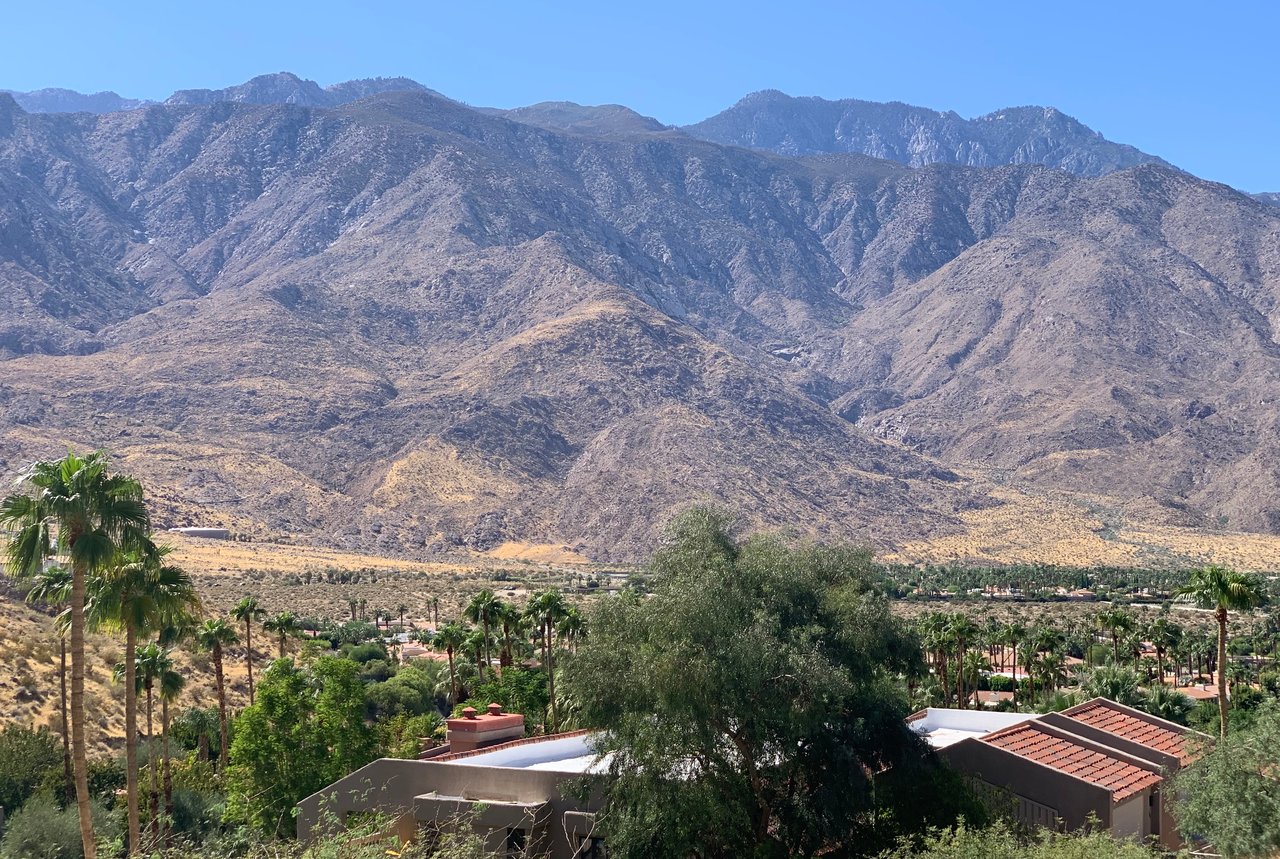
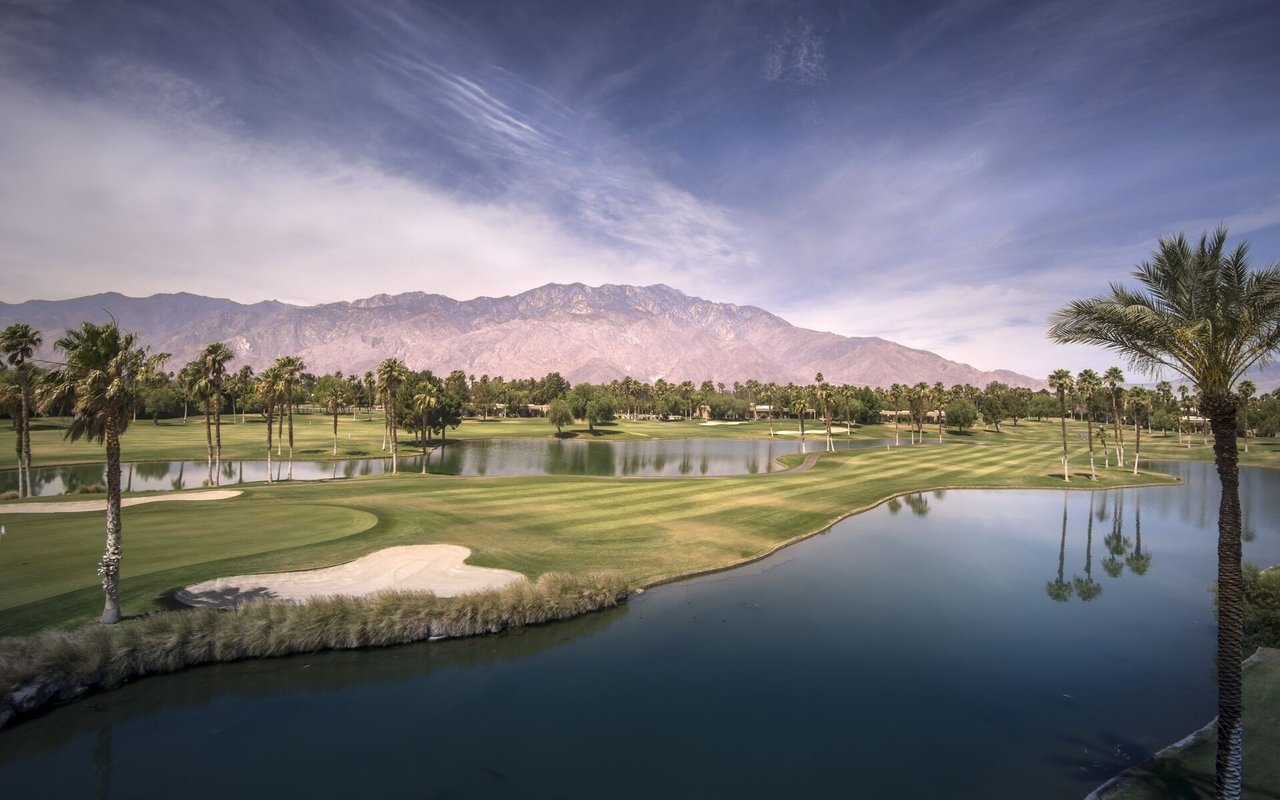
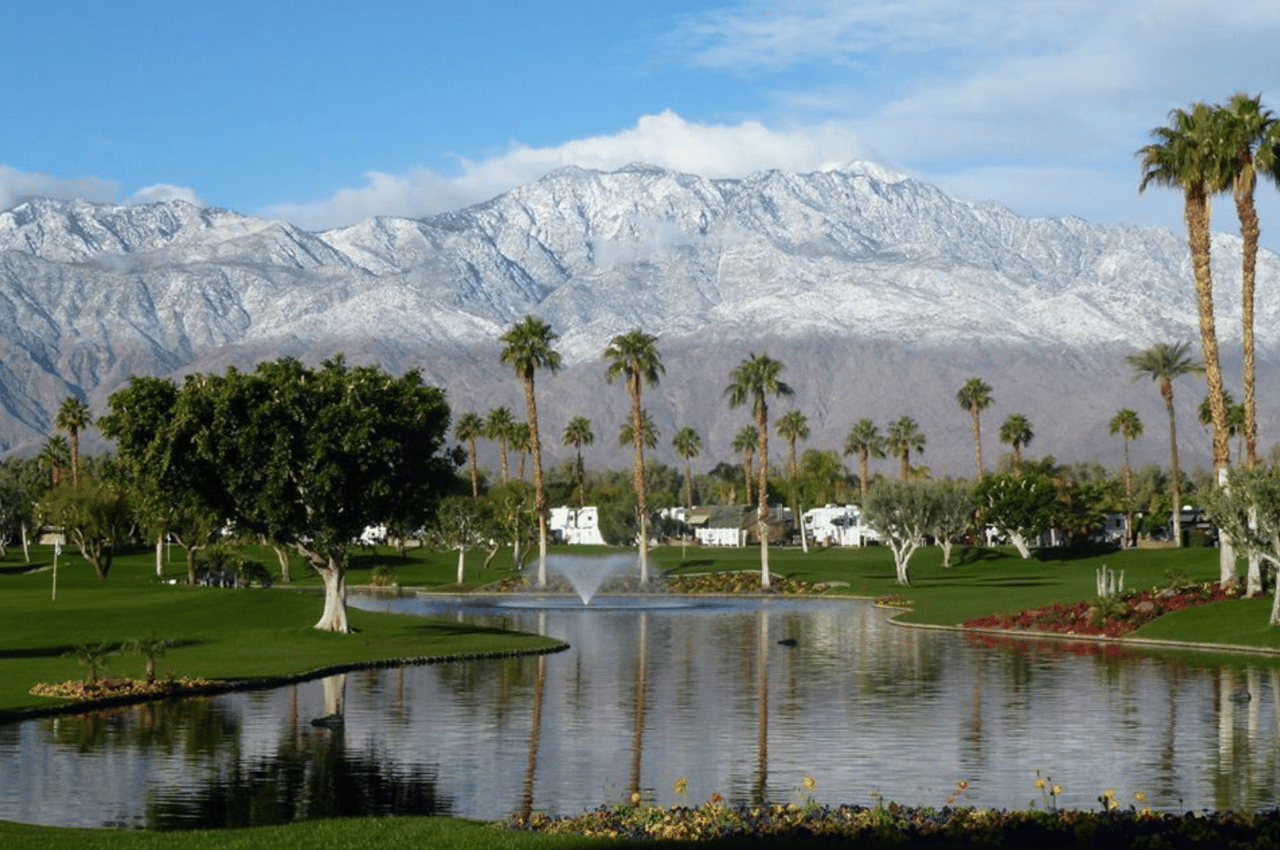
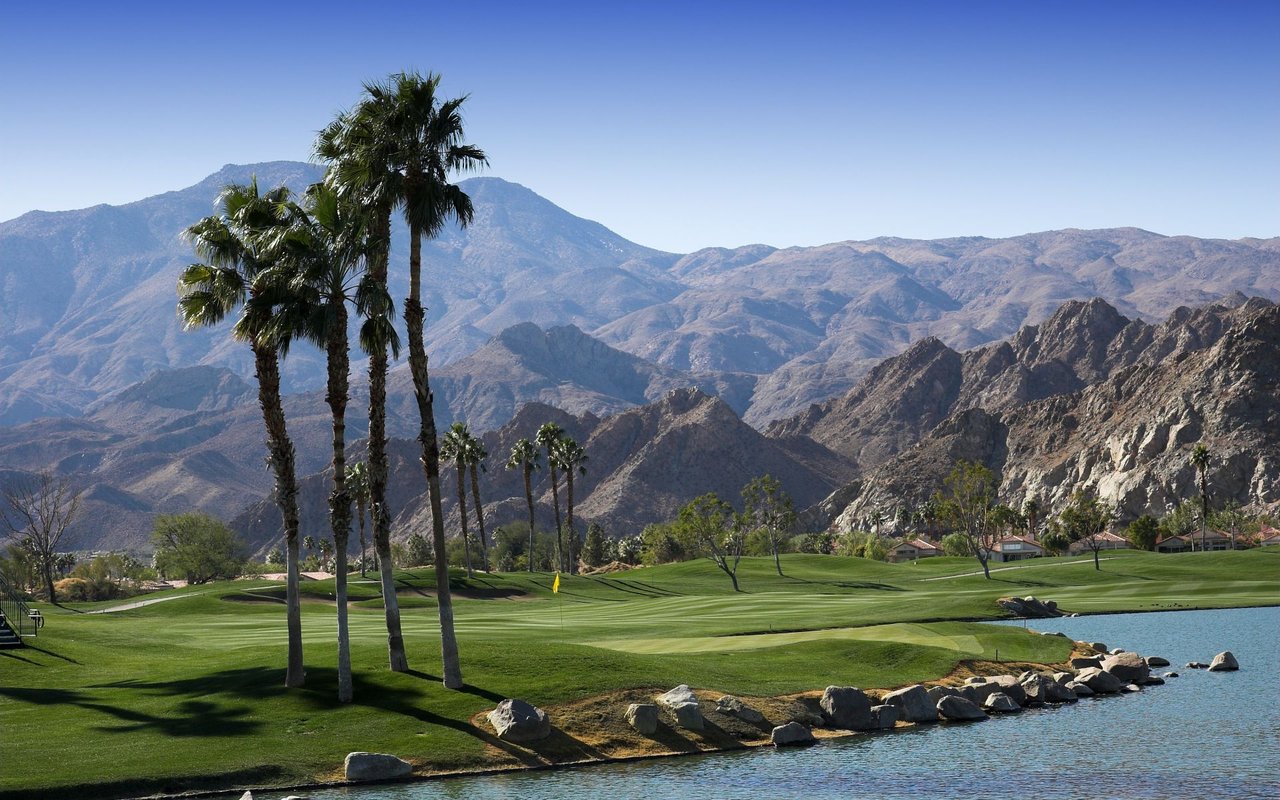
The San Jacinto Mountains define the western skyline, creating dramatic views and a strong visual connection to the landscape.
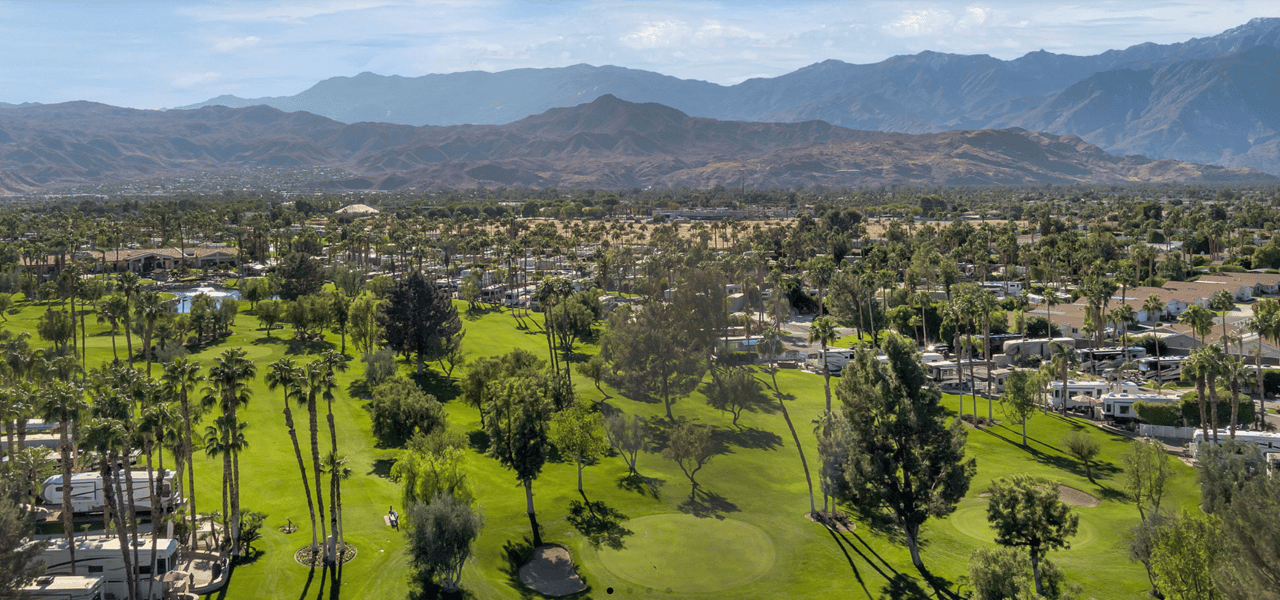
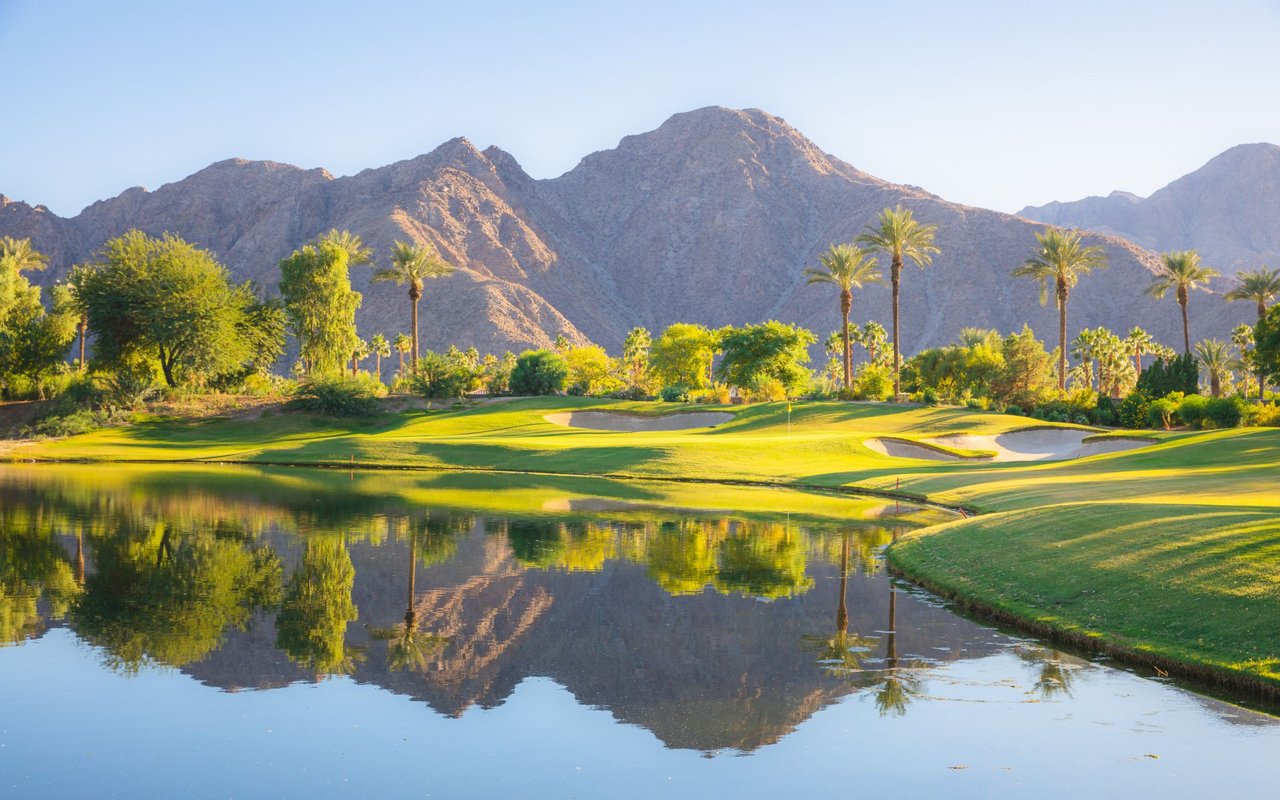
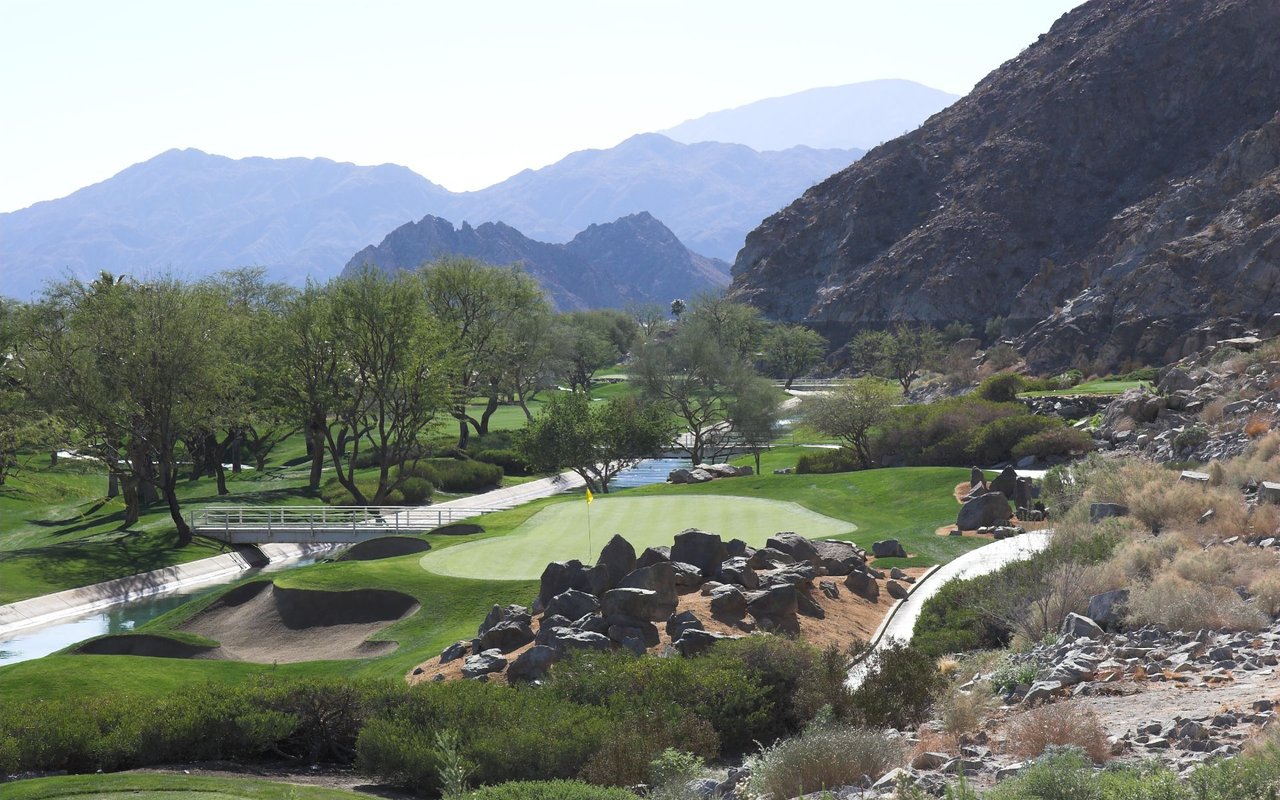
Palm Springs offers public and private golf experiences, with neighborhoods ranging from course-adjacent homes to lock-and-leave residences near the fairways.
Palm Canyon Drive and the Uptown Design District bring dining, shopping, galleries, architecture, and events into one lively corridor.
Palm Springs is made up of neighborhoods with distinct histories, architecture, landscapes, and daily rhythms. These communities are a starting point—not a ranking. Darcey can help buyers compare the details that matter most for a particular property and lifestyle.
Close to downtown, Movie Colony is known for historic homes, mature landscaping, larger lots, and an eclectic mix of architectural styles. Its legacy is tied to Palm Springs’ Hollywood era, but its enduring appeal comes from central convenience, established streetscapes, and residences that often feel private behind walls, gates, or hedges.
Old Las Palmas sits just west of the Uptown Design District and is one of the city’s most established residential enclaves. Meandering streets, mature landscaping, substantial lots, and a mix of Spanish, Mediterranean, and modernist architecture create a layered sense of history beneath the San Jacinto Mountains.
At the southern end of Palm Springs, Indian Canyons pairs mountain scenery with a strong connection to golf and desert modernism. Many properties emphasize views, pools, generous lots, and indoor-outdoor living, while the location offers convenient access to the Indian Canyons Golf Resort and south Palm Springs amenities.
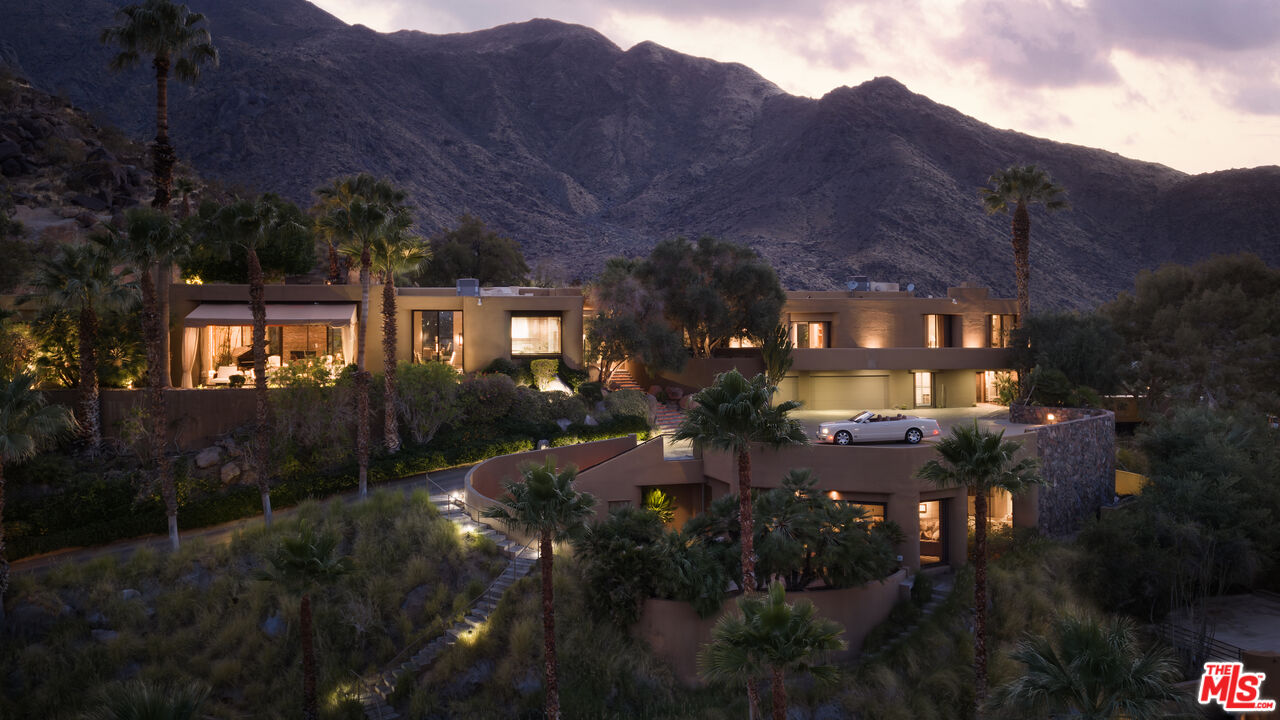
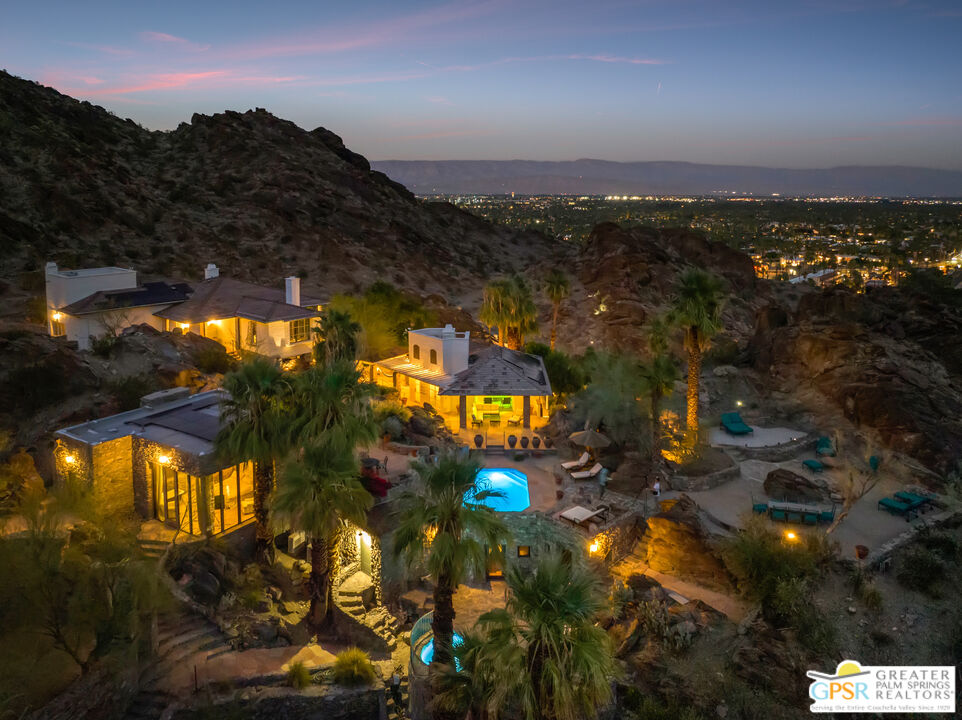
The Mesa occupies a dramatic foothill setting in south Palm Springs. Its custom homes, varied architecture, natural terrain, and close mountain presence give the neighborhood a secluded character. Buyers are often drawn to the sense of privacy and the way individual properties respond to elevation, rock formations, and views.
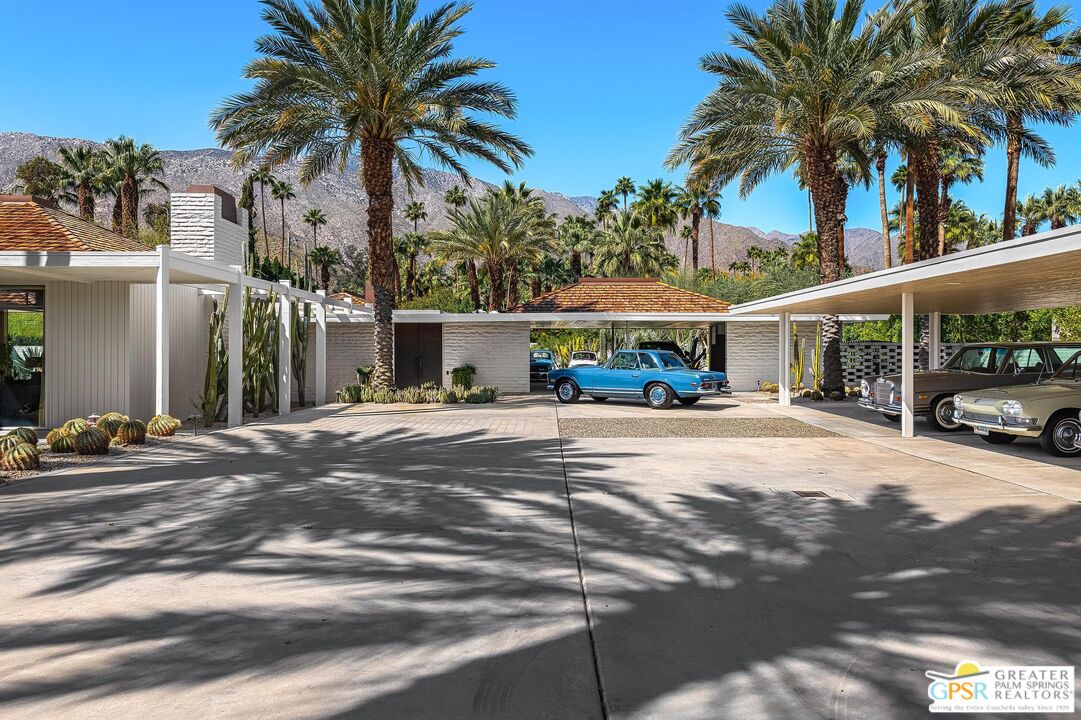
Twin Palms is closely associated with the Alexander Construction Company and the modernist designs of Palmer & Krisel. Butterfly rooflines, post-and-beam construction, walls of glass, and pool-centered plans helped establish a new model for Palm Springs living.
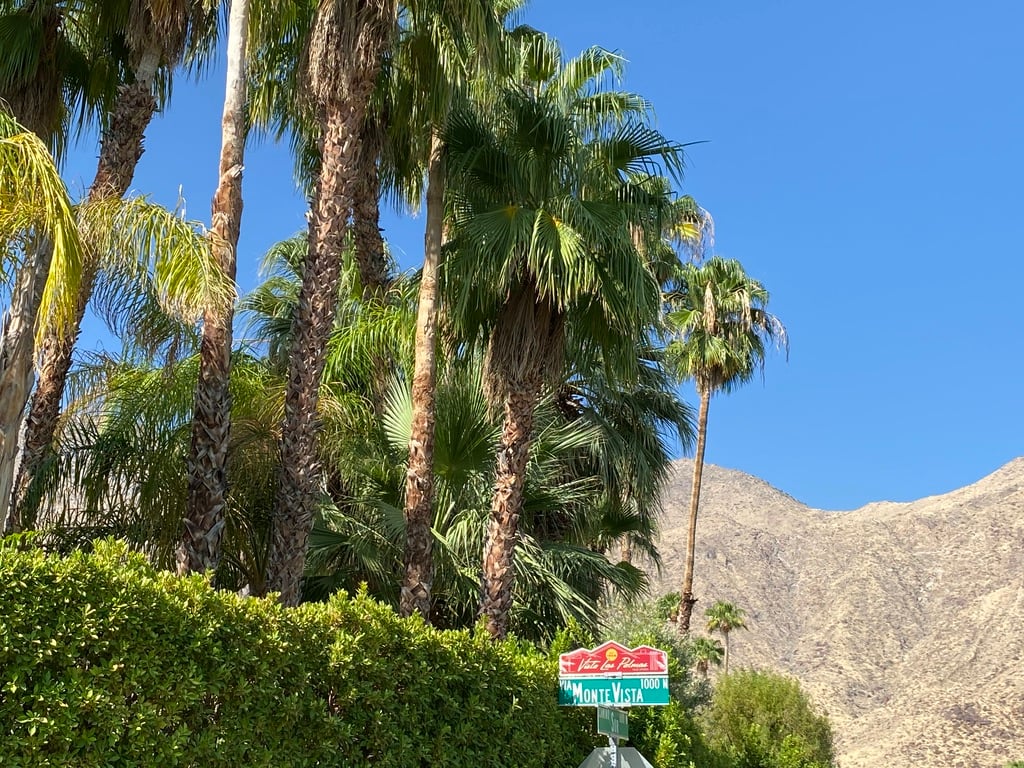
Vista Las Palmas combines a prime west-side location with celebrated postwar architecture. Homes associated with Palmer & Krisel, Charles DuBois, and the Alexander Construction Company include classic modernist plans and distinctive Swiss Miss rooflines, all beneath a dramatic mountain backdrop.
Deepwell Estates is an established south Palm Springs neighborhood characterized largely by one-story homes, broad lots, mature landscaping, and a mix of architectural styles. Its central location places downtown, neighborhood dining, and south Palm Springs within easy reach while retaining a residential atmosphere.
Racquet Club Estates reflects the expansion of Palm Springs during the postwar era. The neighborhood includes midcentury ranch homes, modernist tracts, and notable steel-house designs, with a more open desert setting than many west-side enclaves.
Little Tuscany follows the foothills on the northwest side of Palm Springs. Natural terrain, custom residences, eclectic architecture, and a close relationship to the mountains give the neighborhood a highly individual character. Property orientation, elevation, and views can vary significantly from one home to the next.
Tahquitz River Estates is a centrally located residential neighborhood with deep Palm Springs history and a mix of midcentury, ranch, and updated contemporary homes. Its location offers practical access to downtown, south Palm Springs, recreation, and everyday services.
Explore current Palm Springs homes, from architectural residences and private compounds to condominiums, golf properties, and low-maintenance desert retreats. Inventory changes quickly; Darcey can help you understand the neighborhood, ownership structure, condition, and market context behind any listing.
Browse Palm Springs homes for sale
Golf is part of the landscape in Palm Springs, whether a buyer wants a home directly on a course or simply convenient access to a morning tee time. Course access, membership requirements, seasonal conditions, association rules, and exposure should always be verified for a specific property.
A Palm Springs golf setting on the Agua Caliente Indian Reservation, with a strong connection to the surrounding mountains and south Palm Springs neighborhoods.
Two 18-hole courses—the traditional Legend Course and the desert-links-style Resort Course—offer distinct public golf experiences.
A public Nicklaus Design course in north Palm Springs, paired with modern clubhouse architecture, broad desert views, and on-site dining.
Palm Springs dining moves easily between chef-driven restaurants, neighborhood favorites, historic lounges, hotel patios, poolside lunches, and evenings along Palm Canyon Drive. The experience is part of the city’s rhythm: relaxed, social, design-conscious, and especially inviting outdoors during the cooler months.
Darcey’s My Desert Guide brings together the places, experiences, and local details that make the Coachella Valley feel like home—from restaurants and design destinations to outdoor escapes and everyday favorites.
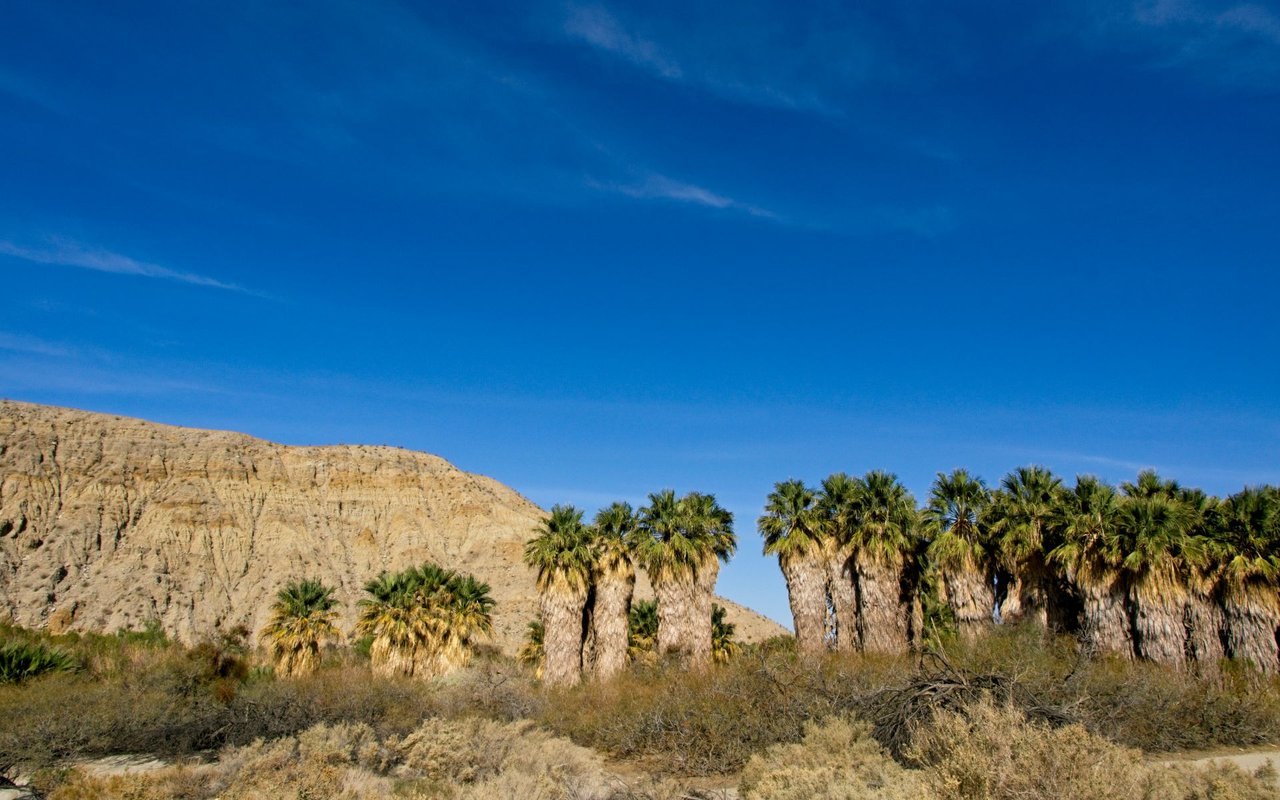
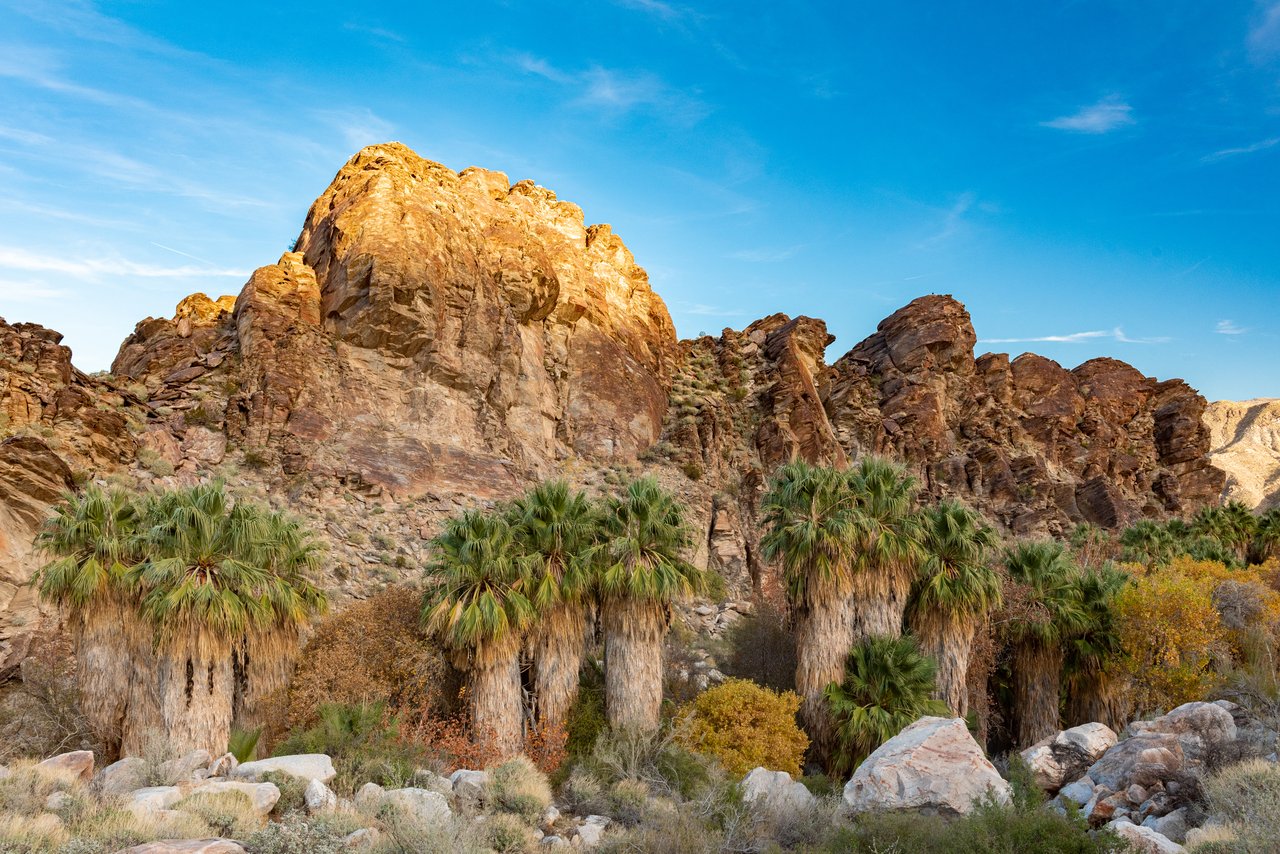
Explore canyon landscapes, native palm oases, and trails on the ancestral lands of the Agua Caliente Band of Cahuilla Indians. Hours, admission, trail conditions, and seasonal closures should be checked before visiting.
The rotating tram car travels through Chino Canyon to the Mountain Station at 8,516 feet, with observation areas, dining, and access to more than 50 miles of hiking trails.
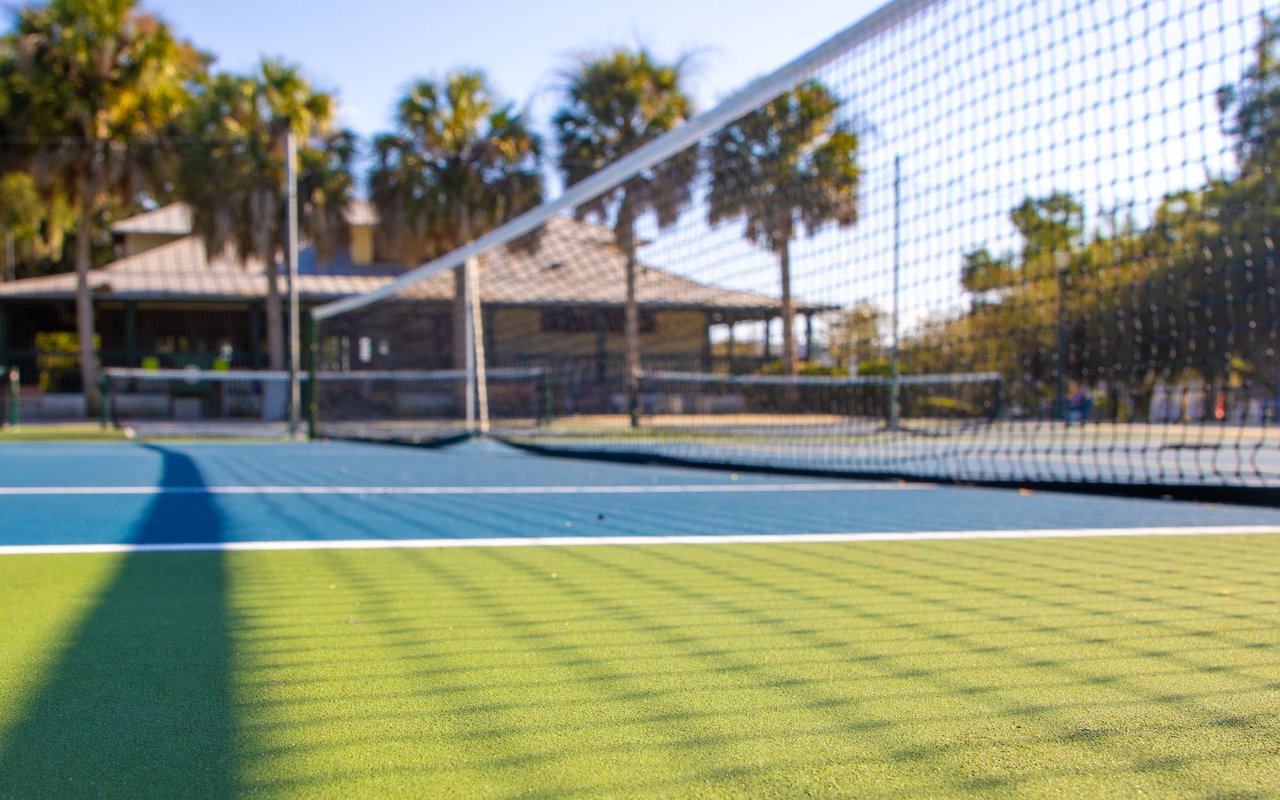
Demuth Park includes pickleball courts, walking and biking paths, sports fields, and other community recreation within the city park system.
Palm Springs offers routes that range from urban rides and neighborhood walks to desert and mountain trails. Conditions change sharply with heat, elevation, and season, so timing and preparation matter.
Desert Regional Medical Center is located in Palm Springs and is part of Desert Care Network, which connects hospitals, outpatient services, and specialty care across the Coachella Valley and Hi-Desert. Buyers with specific healthcare needs should confirm current providers, services, insurance participation, and travel time from any property under consideration.
Palm Springs addresses are served by Palm Springs Unified School District, with assigned schools determined by the property address. The district provides an official school locator along with enrollment information, school accountability reports, and program details. Buyers should verify boundaries and current offerings directly with the district.
Palm Springs combines resort amenities with established residential neighborhoods and everyday services. Cooler months support an especially active outdoor lifestyle, while summer brings high temperatures and a different daily rhythm centered on early mornings, evenings, pools, and indoor activities.
There is no single best neighborhood. The right fit depends on architecture, budget, privacy, views, wind and sun exposure, maintenance preferences, proximity to downtown or golf, and how the property will be used.
Yes. Buyers should understand the current lease terms, expiration, payment structure, financing implications, and resale considerations before purchasing a lease-land property.
Possibly, but eligibility depends on current city regulations, permit availability, property location, ownership circumstances, and any HOA or deed restrictions. Buyers should verify the rules directly with the City and review all governing documents.
They can be significant. Conditions vary across the city and can influence outdoor comfort, landscaping, pool use, shade, and energy needs. Evaluate the specific property at different times and discuss local patterns with an experienced agent.
Darcey helps buyers move beyond the listing photos to understand neighborhood character, property orientation, ownership structure, condition, market context, and the tradeoffs that matter for their goals.
Whether you are comparing neighborhoods, searching for a second home, evaluating an architectural property, or preparing to sell, Darcey can help you understand the details behind the market and move forward with confidence.
Schedule a consultation with Darcey
Related communities: Rancho Mirage, Palm Desert, Indian Wells, La Quinta, and Cathedral City.
General information only. Buyers should independently verify property details, land ownership, association documents, rental regulations, school assignments, insurance, utilities, and other matters material to their purchase.
44,998 people live in Palm Springs, where the median age is 57.8 and the average individual income is $64,811. Data provided by the U.S. Census Bureau.
Total Population
Median Age
Population Density Population Density This is the number of people per square mile in a neighborhood.
Average individual Income
There's plenty to do around Palm Springs, including shopping, dining, nightlife, parks, and more. Data provided by Walk Score and Yelp.
Explore popular things to do in the area, including Palm Springs Wine Tasting, Desert Melts, and Kings Gym.
| Name | Category | Distance | Reviews |
Ratings by
Yelp
|
|---|---|---|---|---|
| Dining | 3.2 miles | 13 reviews | 5/5 stars | |
| Dining | 4.27 miles | 5 reviews | 5/5 stars | |
| Active | 3.23 miles | 6 reviews | 5/5 stars | |
| Active | 4.29 miles | 6 reviews | 5/5 stars | |
| Beauty | 4.29 miles | 8 reviews | 5/5 stars | |
| Beauty | 2.52 miles | 9 reviews | 5/5 stars | |
| Beauty | 2.78 miles | 8 reviews | 5/5 stars | |
| Beauty | 1.54 miles | 5 reviews | 5/5 stars | |
| Beauty | 1.01 miles | 6 reviews | 5/5 stars | |
| Beauty | 0.63 miles | 5 reviews | 5/5 stars | |
| Beauty | 2.75 miles | 5 reviews | 5/5 stars | |
| Beauty | 1.54 miles | 12 reviews | 5/5 stars | |
| Beauty | 1.73 miles | 6 reviews | 5/5 stars | |
| Beauty | 4.58 miles | 31 reviews | 5/5 stars | |
| Beauty | 1.01 miles | 7 reviews | 5/5 stars | |
| Beauty | 2.2 miles | 8 reviews | 5/5 stars | |
| Beauty | 4.29 miles | 6 reviews | 5/5 stars | |
| Beauty | 4.31 miles | 8 reviews | 5/5 stars | |
| Beauty | 1.48 miles | 9 reviews | 5/5 stars | |
|
|
||||
|
|
||||
|
|
||||
|
|
||||
|
|
||||
|
|
Palm Springs has 24,297 households, with an average household size of 1.82. Data provided by the U.S. Census Bureau. Here’s what the people living in Palm Springs do for work — and how long it takes them to get there. Data provided by the U.S. Census Bureau. 44,998 people call Palm Springs home. The population density is 476 and the largest age group is Data provided by the U.S. Census Bureau.
Total Population
Population Density Population Density This is the number of people per square mile in a neighborhood.
Median Age
Men vs Women
Population by Age Group
0-9 Years
10-17 Years
18-24 Years
25-64 Years
65-74 Years
75+ Years
Education Level
Total Households
Average Household Size
Average individual Income
Households with Children
With Children:
Without Children:
Marital Status
Blue vs White Collar Workers
Blue Collar:
White Collar: