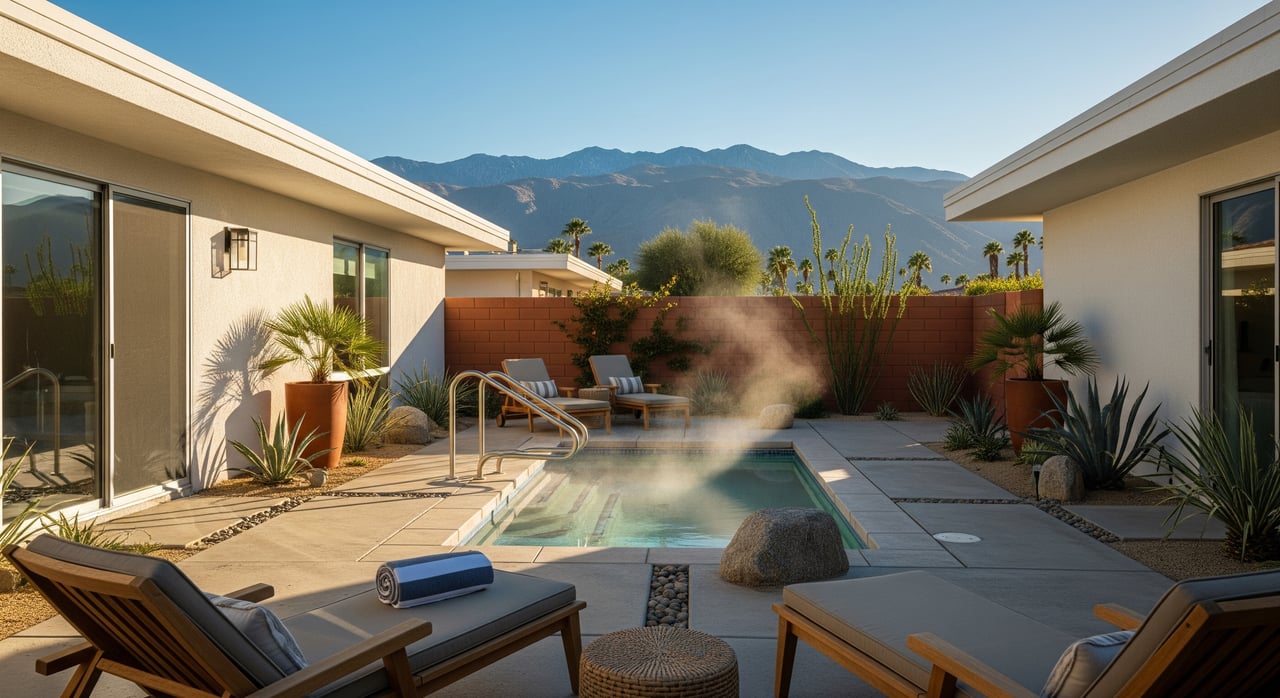
Thinking about spending your next chapter in the desert sun with like‑minded neighbors, easy amenities, and low‑maintenance living? If you’re exploring 55+ options in Desert Hot Springs, you’re not alone. You want clear answers about rules, costs, community types, and what to look for before you buy. This guide breaks it down so you can compare communities with confidence and plan your next steps. Let’s dive in.
What makes a community 55+
Under federal law, a community can lawfully market itself to older adults if it meets the Housing for Older Persons Act, often called HOPA. One key requirement is that at least 80% of occupied homes must have at least one resident who is 55 or older. Communities must also keep an age‑verification policy and comply with documentation and advertising rules.
In California, many 55+ neighborhoods are common interest developments. Those HOAs operate under the Davis‑Stirling Common Interest Development Act, which sets standards for budgets, reserves, disclosures, and owner rights. Some 55+ options are manufactured or mobile home parks, which follow the state’s Mobilehome Residency Law plus local ordinances.
The takeaway for you: verify that any community you tour truly meets HOPA and follows state and local requirements. Ask to see the written age‑verification policy and how the HOA enforces it.
Community options in Desert Hot Springs
Desert Hot Springs sits in the Coachella Valley, where seasonal living and resort amenities are part of daily life. Here are the 55+ formats you’re most likely to see.
Active‑adult master‑planned
These are neighborhoods of single‑family homes or paired homes built for older adults. You often get a clubhouse, pool, fitness space, and programmed activities. Some have gated entries and security features.
Condos and common‑interest
In a condominium or similar common‑interest development, you own the interior of your unit plus a share of common areas. The HOA manages exterior maintenance and shared amenities. This can simplify upkeep if you want a low‑maintenance lock‑and‑leave lifestyle.
PUDs with shared amenities
A planned unit development is similar to a condo for shared spaces, but you typically own the land under your home. The HOA still manages common areas and sets rules for the community.
Manufactured and mobile home parks
You’ll find two models. In some parks, you own both the home and the land, which can open more conventional financing options if the home is permanently affixed. In lot‑lease parks, you own the home but rent the space from the park owner. Lot‑lease communities are common in desert markets and often include clubhouses, pools, and social calendars.
Resort‑style and seasonal
Some communities cater to snowbirds with a strong winter season and a quieter summer. Expect a higher concentration of social events during peak months.
Gated and security‑focused
Certain subdivisions emphasize controlled access. This can appeal if you travel often and want added peace of mind.
Note for Desert Hot Springs: some properties feature mineral or geothermal pools. These require specific maintenance, permits, and water‑quality oversight. Ask early about responsibilities and costs if you are considering a home with geothermal features.
Amenities and lifestyle to expect
Amenities vary by community, but you’ll frequently see:
- Clubhouse or community room for gatherings
- Heated pools and spas, sometimes mineral or geothermal
- Fitness rooms, walking paths, and courts for bocce, shuffleboard, or pickleball
- Organized clubs and activities
- On‑site management or contracted maintenance
- Guest parking and rules for RV or extra vehicle storage
Lifestyle often shifts with the season. Many communities are most active in winter, with more neighbors in residence and a full event calendar. Summers tend to be quieter. The climate means more A/C use, strong sun exposure, and water‑wise landscaping. HOAs often promote drought‑tolerant plantings and may set irrigation rules.
Access to services matters in retirement. Consider the drive to medical care, urgent care, pharmacies, and everyday shopping. Coachella Valley cities nearby offer a broader mix of services and care providers, and many residents rely on private vehicles since transit options vary.
Ownership, financing, and ongoing costs
Understanding how you own your home and how you finance it helps you plan your budget.
Ownership types explained
- Fee simple home: You own the land and the structure. Common in subdivisions and some active‑adult communities.
- Condominium: You own the interior space of your unit and share ownership of common areas with other owners.
- PUD: You own the lot and home, with an HOA managing shared facilities.
- Manufactured home on owned land: You may qualify for conventional mortgage financing if the home is permanently affixed.
- Manufactured home on leased lot: You own the home and pay monthly lot rent to the park. This is a different model with different rights and rules.
Financing basics
Loan options depend on the property type and how the home is classified. For manufactured homes on leased lots, financing is often a chattel loan, which usually has different terms and rates than a traditional mortgage. If a manufactured home is on owned land and permanently affixed, some conventional loans may be available. Government‑backed programs, including VA and FHA, have specific rules for manufactured homes and community eligibility. Confirm eligibility with your lender early.
HOA fees, budgets, and reserves
HOA fees can vary widely. Fees reflect amenity levels and the scope of maintenance included, such as landscaping, common‑area utilities, and security. Healthy budgets and reserve funds help cover long‑term repairs. If reserves are low, you could face special assessments for big projects.
Insurance and taxes
Expect a master insurance policy for the HOA, and a separate policy for your home. Condo owners usually carry an HO‑6 policy. Fee simple homes need a standard homeowners policy, and manufactured homes require a policy specific to that home type. Earthquake and flood policies are separate in California, so assess your risk. Property taxes in Desert Hot Springs follow Riverside County rules. Review your proposed tax bill, including any special district assessments or bonds.
Smart due diligence before you tour
Give yourself an edge by gathering documents and asking targeted questions.
Documents to request
- CC&Rs, bylaws, and rules and regulations
- Recent HOA meeting minutes, ideally 6 to 12 months
- Current budget, balance sheet, and the most recent reserve study
- Master insurance declarations and a summary of owner responsibilities
- Any disclosures on pending litigation
- Age‑qualification policy and age‑verification procedures
- Rental policy, including any caps or waitlists
- Pet policy, guest parking rules, and RV or storage rules
- For mobile or manufactured parks: the lot lease agreement, rent terms, park rules, and any park conversion or sale information
- A history of special assessments, recent and planned
Questions to ask
- How does the HOA document HOPA compliance and verify ages?
- What does the monthly fee cover, and what services are extra?
- Are there limits on how long you can be away in the off‑season?
- What are the rules for long‑term or short‑term rentals?
- How are modifications handled, such as solar panels or exterior changes?
- What is the enforcement history for rules and disputes?
What to inspect during tours
- Clubhouse, pool, and common‑area condition and cleanliness
- Signs of deferred maintenance, such as cracked concrete or aging pool equipment
- Parking for owners, guests, caregivers, and any RV storage
- Noise and traffic patterns, including how they change with the season
- If a home has a private hot spring connection, ask about permits, water quality, and maintenance responsibilities
Financing and title checks
- Confirm fee simple versus condo versus manufactured home status
- If manufactured, determine whether it is on a permanent foundation
- Ask how the property will be classified for financing and taxes
- Confirm any restrictions that could limit loan options or future resale
Red flags to watch for
- Difficulty getting required HOA documents
- Reserve shortfalls or frequent special assessments
- Pending or recent litigation involving the HOA
- Lot‑lease terms that allow steep rent increases without clear protections
- Weak or inconsistently enforced age‑verification practices
Desert Hot Springs specifics
Mineral and geothermal pools
Desert Hot Springs is known for mineral waters. If a property advertises a mineral or geothermal pool, ask about maintenance costs, permits, and water‑quality testing. Confirm who is responsible for equipment and ongoing care.
Seasonal living logistics
Many owners arrive in the cooler months. Review parking rules, guest policies, and how the community handles mail and utilities when you are away. If you plan to rent seasonally, confirm the rental policy early.
Water and landscaping
Expect a focus on drought‑tolerant landscaping and irrigation limits. Know what the HOA covers versus what you manage, and whether there are plant lists or design standards.
Access and hazards
Check drive times to medical care, groceries, and the regional airport. Review local hazard information for flood or seismic risk, and ask about the HOA’s emergency procedures. Desert winds and occasional storms can affect roofs, landscaping, and outdoor areas.
Quick buyer checklist
- Confirm HOPA compliance and see the age‑verification procedure in writing.
- Identify the ownership type and how it affects financing.
- Compare HOA fees, what they include, and reserve strength.
- Review rules on rentals, pets, parking, and modifications.
- Inspect common‑area condition and ask about recent capital projects.
- Understand insurance needs, plus flood and earthquake risk.
- For mineral pools, confirm permits, maintenance, and water testing.
- For lot‑lease parks, review lease terms and rent increase rules.
The bottom line
Desert Hot Springs offers a wide mix of 55+ choices, from low‑maintenance condos to resort‑style communities and manufactured home parks. The right fit depends on how you want to live, what you want to spend on monthly fees, and how you plan to use your home through the seasons. When you pair a clear understanding of ownership and financing with a careful review of HOA health and rules, you can choose with confidence.
If you want a local guide who can help you compare communities, line up tours, and navigate documents from anywhere, reach out to the Darcey Deetz team. We serve buyers across the Coachella Valley and make the process smooth for both full‑time residents and seasonal owners.
FAQs
How do 55+ rules work in Desert Hot Springs?
- Communities that claim 55+ status must meet HOPA, which generally requires that at least 80% of occupied homes include one resident who is 55 or older, along with a written age‑verification policy.
Can someone under 55 live with me in a 55+ community?
- Many communities allow younger spouses, live‑in caregivers, or limited exceptions, but the details vary by HOA rules, so review the CC&Rs and written policy.
Are short‑term rentals allowed in 55+ neighborhoods?
- Policies vary widely, and many age‑restricted HOAs limit short‑term rentals, so confirm the rental rules before you buy if renting is important to you.
What is different about lot‑lease manufactured home parks?
- You own the home but rent the space from the park owner, which affects financing options, monthly costs, and future resale compared to owning the land.
How should I evaluate HOA fees and reserves?
- Ask for a detailed breakdown of what the fee covers, the latest budget and reserve study, and any history of special assessments to gauge financial health.
What if the HOA has pending litigation?
- Litigation can affect financing and future resale; request full disclosures and consider professional guidance to understand risks before moving forward.